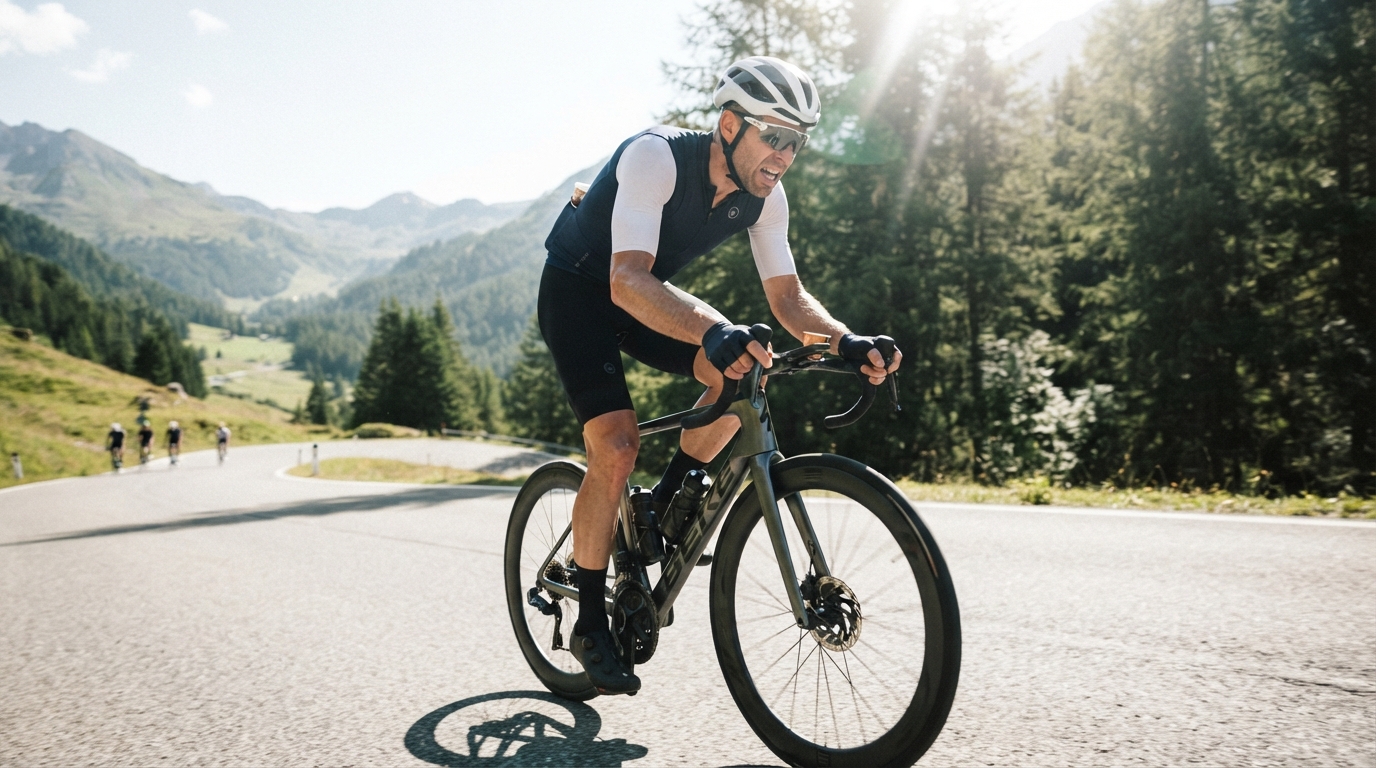
Caffeine is often touted as the magical performance enhancer for endurance athletes, but as with many substances, moderation is key. How much caffeine is beneficial before it turns into a hindrance? This question has become increasingly important as more athletes turn to caffeine for their cycling performance.
Why This Matters Now
With the rise of online training resources and competition, athletes are looking for every edge they can find. Caffeine remains one of the most researched and readily available substances in sports performance. Understanding caffeine tolerance and its effects on cycling could lead to more effective training programs and better race strategies.
Perspective: The Science Behind Caffeine
Dr. Asker Jeukendrup, a leading expert in sports nutrition, argues that caffeine can significantly enhance cycling performance by improving endurance and reducing perceived exertion. "Caffeine is well-documented to improve performance in endurance sports, particularly in events 1-2 hours long," Jeukendrup notes. He emphasizes that individual responses to caffeine can vary widely. For some, it provides a substantial boost, while others may experience jitteriness or an upset stomach.
Similarly, Dr. John Hawley, an exercise physiologist, points out that while caffeine has proven benefits, it's important to know one's tolerance level. "Athletes often find themselves in a bind; what works for one might not work for another," he says. He also mentions that habitual caffeine consumers may find diminished returns on performance under high doses due to tolerance development.
Perspective: The Risks of Overconsumption
Dr. Louise Burke, head of Sports Nutrition, approaches caffeine with a cautionary lens. She acknowledges its benefits but also highlights the risks of overconsumption. "Higher doses can lead to negative side effects like increased heart rate and anxiety. It's essential to strike a balance." Burke encourages athletes to consider their caffeine usage strategically, especially during peak training weeks or competitions.
When discussing the potential for diminishing returns, Burke brings up an essential factor: the potential for dependency. "Relying on caffeine to perform can be a slippery slope," she warns. Too much dependence may lead to the need for higher consumption levels, which can lead to decreased sensitivity and performance gains.
Editorial Synthesis
Where Experts Agree
- Caffeine can enhance cycling performance, particularly in endurance activities.
- Individual tolerance levels vary widely among athletes.
- Overconsumption may lead to negative side effects that could undermine performance.
Where Experts Disagree
- The amount of caffeine beneficial for performance improvement varies.
- The risks associated with overdependence on caffeine differ among experts; some see it as a significant concern while others deem it a manageable factor.
- The effects of caffeine on hydration status and overall health outcomes require further research.
Why This Matters
Understanding caffeine tolerance and its relationship to cycling performance is essential for athletes looking to enhance their routines. The risks associated with overconsumption should not be overlooked, especially when results may diminish over time due to tolerance. By tailoring caffeine strategies to individual needs and understanding how tolerance develops, serious trainers can maximize their performance without falling into the trap of dependency. Thus, knowledge of one's own limits and appropriate supplement strategies becomes vital for effective training and competition.