Opening Question
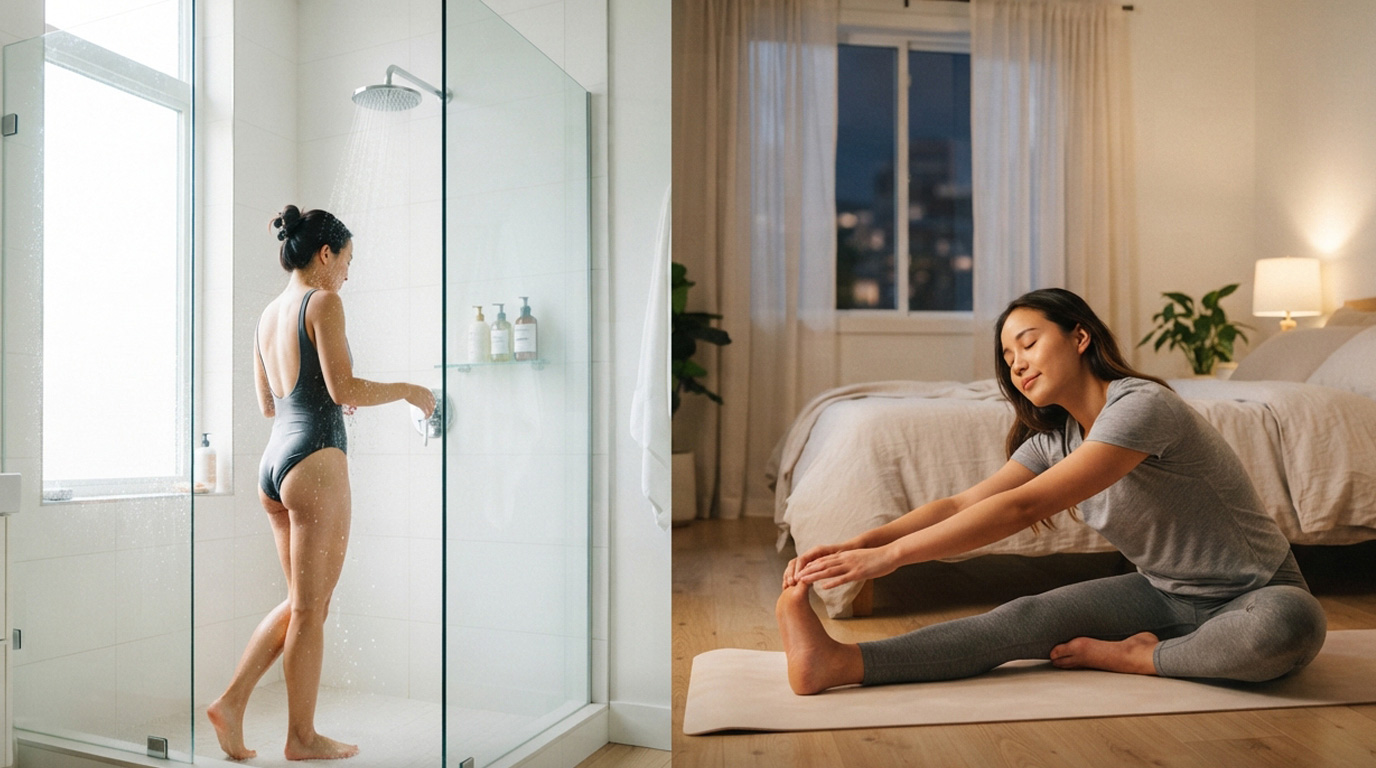
Are your nightly stretching sessions and morning cold showers doing anything more than just providing a brief moment of relaxation and refreshment? With countless trends in the wellness community, it's essential to sift through anecdote and find what truly benefits performance and recovery.
Context
Recovery rituals have exploded in popularity, especially as athletes and fitness enthusiasts seek ways to optimize performance. With busy lifestyles, many are looking for quick fixes that promise quick results. But what does the research say about popular practices like stretching before bed and taking cold showers at dawn? We consulted experts in sports science and nutrition to unpack these prevalent recovery methods and identify what is genuinely effective.
Perspective: Yes, Stretching and Cold Showers Matter
Megan Roche, Physiologist and Sports Coach, asserts that both stretching and cold showers hold value for recovery, though their benefit may vary based on individual needs. "Stretching before bed aids in relaxation and can help improve flexibility over time," she explains. "The act of warming up the body can signal the transition to rest." She notes that a light stretch can prepare your body for sleep and potentially enhance sleep quality, thereby improving recovery.
"Cold showers, on the other hand, might not be for everyone, but for those willing to embrace the discomfort, they stimulate muscle recovery by enhancing circulation," Megan continues. "These showers can reduce inflammation and provide mental resilience." She highlights anecdotal evidence of athletes harnessing cold exposure as a mental strategy to enhance their focus and drive.
Dr. Susanna Sobel, Dietitian and Researcher, complements Megan's perspective by noting the psychological aspects of stretching and cold showers. "The psychological transition from day to night is crucial," she states. "Stretching isn't just physical; it creates a mental ritual that signals the end of the day." She urges that when individuals view these rituals positively, they may experience enhanced recovery outcomes through improved mood and stress reduction.
Perspective: Not Enough Evidence to Support These Rituals
Conversely, Josh McHugh, Sports Physiotherapist, presents a more skeptical viewpoint on these rituals. "Stretching, specifically static stretching before bed, has little evidence supporting its long-term benefits for muscle recovery or performance," he argues. "While it can increase flexibility, the immediate effects on recovery are minimal. If your aim is just to wind down, it may not be necessary to incorporate prolonged stretching into your routine."
"Similarly, with cold showers, the body can adapt over time, and the purported benefits of improved circulation and reduced inflammation are still debated among professionals," Josh states. He points out that while some studies suggest a potential for cold exposure to enhance athletic performance, it often comes down to individual response and preference. "The data isn't robust enough to declare these practices essential."
Editorial Synthesis
Where Experts Agree
- Tentative Benefits of Stretching: Both Megan and Dr. Sobel believe in a psychological edge from stretching before sleep. While Josh is skeptical of direct recovery impacts, he does acknowledge basic benefits tied to relaxation.
- Subjectivity of Cold Showers: There is a consensus that cold exposure is highly individualized. It can enhance personal resilience for some, while others may find it unpleasant without tangible benefits.
Where Experts Disagree
- Effectiveness of Stretching: Megan and Dr. Sobel advocate for the value of stretching in creating routine, while Josh outright challenges the significance of these practices beyond subjective relaxation.
- Cold Showers' Recovery Claims: Megan stands by the physiological benefits of cold baths, while Josh emphasizes a lack of solid evidence supporting these claims in the literature.
Why This Matters
In a landscape overflowing with wellness trends, it's crucial to ground your recovery practices in research and personal needs. While stretching may help establish a calming routine at day's end, its efficacy in recovery is uncertain according to some professionals. Cold showers can invigorate, but they may not be necessary for everyone. Experimenting with both options may help you discern their true impact on your routine.