Are we closer than ever to reversing biological age through exercise? The intersection of physical activity and aging has gained traction not just in gym culture, but in notable scientific discussions. With experts like Dr. David Sinclair, Dr. Mark Tarnopolsky, and Dr. Melissa Leber contributing to the debate, it's crucial to understand what the science truly states and what it implies for everyday practices.
Why This Matters Now
As the global population ages, the quest for longevity and healthy aging is at the forefront of healthcare discussions. The World Health Organization has indicated that aging populations are leading to increased healthcare costs, and individuals are becoming more proactive about maintaining health into their later years. Exercise has long been linked to numerous health benefits, but can it actually reverse biological aging? This question has prompted researchers to dig deeper, exploring cellular processes and the potential of physical activity to influence longevity.
Expert Perspectives
Perspective: The Optimist
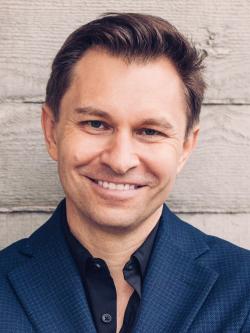
Dr. David Sinclair, Professor of Genetics at Harvard Medical School, is a leading voice advocating the transformative potential of exercise on cellular health. Sinclair's research hinges on the concept of biological aging being a reversible process. He states, "When you exercise, you stimulate numerous biological pathways that promote longevity. The activation of certain genes can lead to cellular repair mechanisms, benefiting not just muscle but the entire body."
From Sinclair's perspective, regular exercise affects the epigenome, the part of the genome that can turn genes on or off, potentially leading to longer life spans and reduced age-related diseases. Sinclair emphasizes that "consistent activities that elevate heart rate, such as aerobic exercise, could promote mitochondrial biogenesis, the production of new mitochondria which are essential for energy production and cellular health."
Advertisements
Perspective: The Physiologist
In contrast, Dr. Mark Tarnopolsky of McMaster University approaches the conversation with a more tempered view. While he acknowledges that exercise has profound benefits, he argues that the biological aging process is complex and multifactorial. "Exercise is essential for health," he notes, "but claiming it reverses aging oversimplifies the biological processes involved. Factors like genetics, diet, and environment play significant roles."
Dr. Tarnopolsky points out that while exercise can improve markers of biological age, such as VO2 max, muscle mass, and metabolic health, interpreting this as a reversal of aging may be misleading. "Exercise helps to mimic some aspects of youthfulness and can improve quality of life, but it doesn't erase the fundamental aging process," he adds.
Perspective: The Dietitian's Take
Dr. Melissa Leber, a dietitian and health coach, brings another angle crucial for understanding overall health and longevity. She emphasizes that exercise is just one piece of a broader puzzle. "Nutritional habits complement the effects of exercise significantly," she states. Dr. Leber underscores the importance of a holistic approach where diet and exercise work synergistically rather than as isolated interventions.
"While exercise enhances muscle mass and cardiovascular health, proper nutrition influences hormonal balances, recovery, and energy levels," she explains. This perspective aligns with current research indicating that high levels of physical activity in conjunction with a nutritious diet can lead to significant health benefits, including improved longevity and quality of life.
Editorial Synthesis
Where Experts Agree
- Exercise Has Health Benefits: All agree that exercise is crucial for physical health, improving cardiovascular fitness, muscle strength, and metabolic health.
- Cellular Mechanisms Are Affected: There is consensus that exercise can trigger beneficial cellular changes and processes, such as improved mitochondrial function.
- Lifestyle Matters: The importance of holistic health approaches combining exercise with good nutrition is emphasized by all.
Where Experts Disagree
- Reversal of Biological Aging: Dr. Sinclair believes exercise can reverse aging at a cellular level, while Dr. Tarnopolsky insists this may be overstated, emphasizing that biological aging is complex and not solely influenced by physical activity.
- Role of Genetics: The extent to which genetics influence aging compared to lifestyle choices is debated, with differing emphasis placed on each factor.
Why This Matters
Understanding the myths and facts surrounding exercise and aging is crucial as you consider your approach to health and longevity. While the idea of exercising to reverse age-related decline is appealing, it's essential to look at the complete picture. Both genetics and environmental factors play significant roles that cannot be overlooked. As experts like Dr. Sinclair, Dr. Tarnopolsky, and Dr. Leber point out, focusing solely on exercise may lead to frustration if not paired with other healthy lifestyle choices.