Opening Question: Are You at Risk?
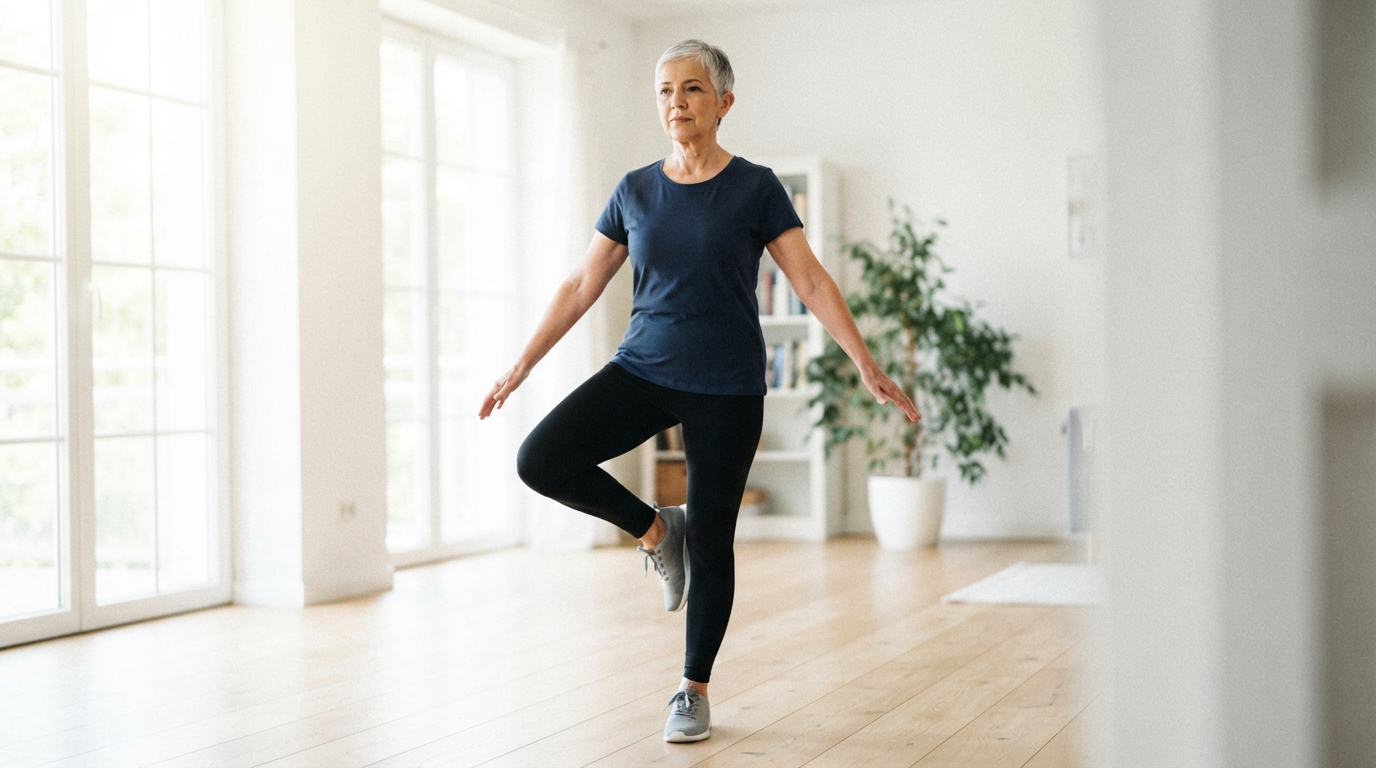
What if I told you that a simple test could reveal your risk of early death? The single-leg stand test, which measures your balance, is gaining traction as a harbinger of longevity. But how can you train for this, and why should you care?
Context: A Timely Health Indicator
As life expectancy rises, understanding the factors that contribute to longevity has become increasingly important. Recent studies suggest that balance is a critical component of overall health, especially as we age. Poor balance is associated with a higher risk of falls, injuries, and ultimately, earlier death. With the population aging rapidly, insights into simple interventions, like improving balance, are more relevant than ever.
Perspective: Dr. Michael Greger
Dr. Michael Greger, founder of NutritionFacts.org, emphasizes the importance of lifestyle choices in health outcomes. He notes that while the balance test is a good indicator, it's essential to integrate it with a comprehensive approach to nutrition and physical activity. Dr. Greger states that a plant-based diet not only supports heart health but also may contribute to better muscle function and balance.
Key insights from Dr. Greger:
- Nutrition impacts muscle health, which is crucial for maintaining balance.
- A diet rich in antioxidants may help in mitigating age-related decline in physical function.
Perspective: Dr. Steven Cheung
Dr. Steven Cheung, a physiologist and professor at the University of Toronto, provides a physiological lens on the balance test. He explains that balance is not merely a function of strength but also involves neural coordination and proprioception—the body's ability to perceive its position in space. Dr. Cheung argues that engaging in specific balance training activities can enhance these capabilities.
Key insights from Dr. Cheung:
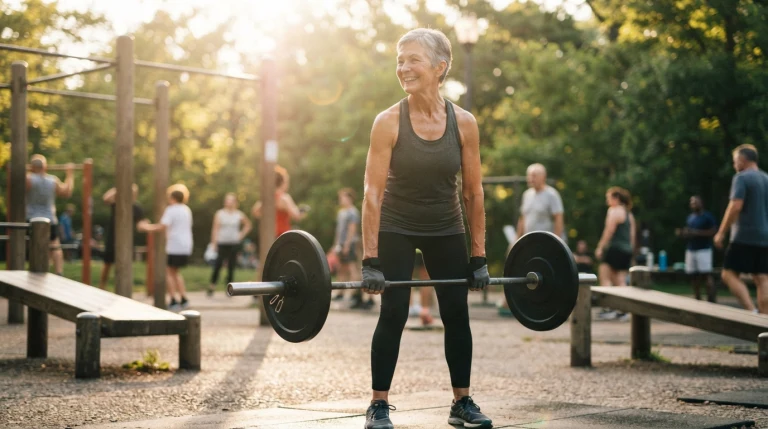
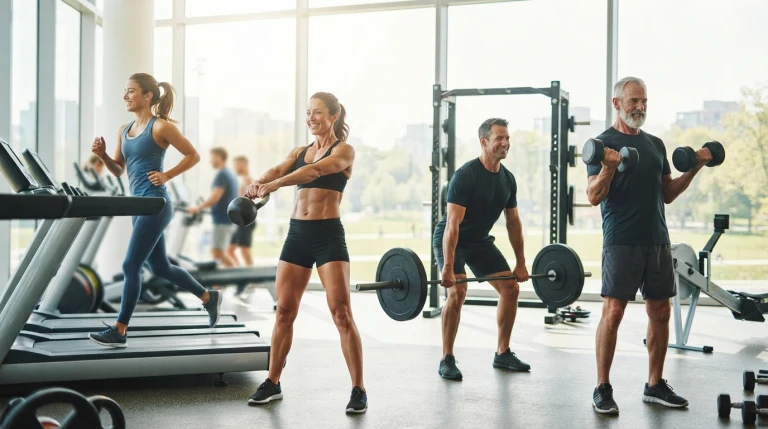
- Training for balance should include exercises like Tai Chi, yoga, and strength training.
- Regular practice can improve your score on the balance test, which might correlate with a lower risk of early death.
Perspective: Dr. Karen Lichtman
Dr. Karen Lichtman, a physiotherapist and researcher, focuses on practical applications for incorporating balance into everyday routines. She advocates for simple, functional exercises that can be easily implemented in both gym and home settings. Dr. Lichtman emphasizes that improving balance requires consistency and should be part of a holistic fitness regimen.
Key insights from Dr. Lichtman:
- Dynamic balance exercises like single-leg stands should be added to daily routines.
- Assessing and tracking progress in balance can motivate individuals to stick with their training programs.
Editorial Synthesis
Where Experts Agree
- Balance is a significant predictor of overall health and longevity.
- Consistent training can improve balance and potentially lower the risk of early death.
- Nutrition plays a critical role in supporting physical health and balance.
Where Experts Disagree
- The emphasis on nutrition versus physical training varies among experts.
- The best modalities for balance improvement may differ by individual needs and lifestyles.
Why This Matters
Improving balance is not just a question of avoiding falls; it's a pathway to enhancing overall health and longevity. The simple act of practicing balance exercises can empower individuals to take control of their health. Regular training can provide a noticeable improvement in balance test performance and serve as a crucial step toward a healthier, longer life.