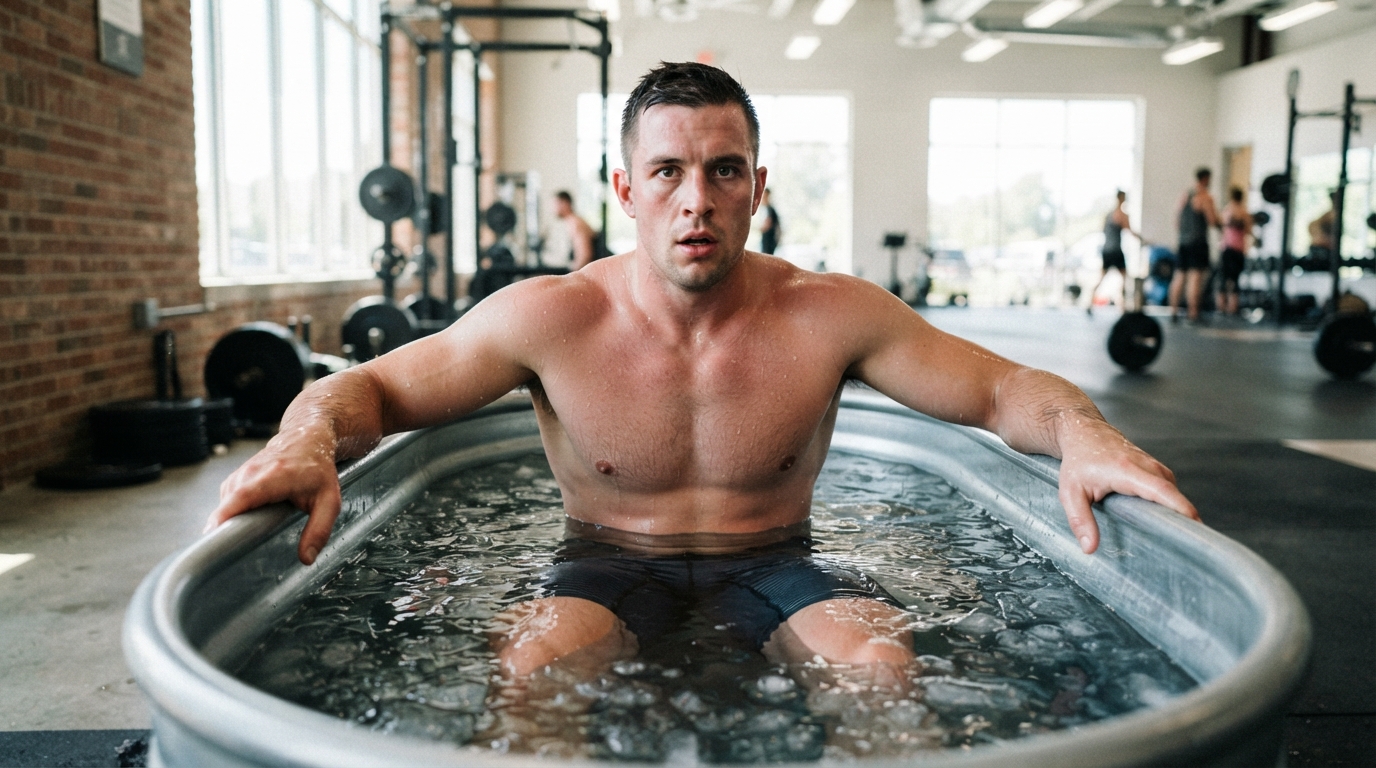
Are ice baths a recovery staple or a potential roadblock to muscle gains? Athletes and fitness enthusiasts have long debated the effectiveness of cold water immersion (CWI). While many swear by the practice to reduce soreness and speed up recovery, recent research has cast doubt on its efficacy, especially for maximizing muscle adaptation. In this article, we break down expert opinions on the matter and bring clarity to the cold water immersion conversation.
Why This Matters Now
The debate around CWI is more relevant than ever. With recovery protocols gaining prominence in sports science, athletes and gym-goers are looking for effective methods to enhance their performance. The rise of social media has also contributed to the popularity of various recovery techniques, including ice baths and cryotherapy chambers. Yet, as more data emerges, it raises questions about the ideal methods to recover effectively without hindering gains.
Expert Perspectives
Perspective: CWI Is Beneficial for Recovery
Dr. Chris Beardsley, an exercise physiologist, acknowledges the potential benefits of cold water immersion. "Cold water immersion has been shown to reduce muscle soreness following intense workouts. The cooling effect may help to minimize inflammation and expedite recovery time, allowing athletes to train more frequently."
He argues that while muscle adaptation is essential, the immediate recovery benefits shouldn't be overlooked, particularly in high-intensity sports. The psychological boost from being pain-free can also enhance training motivation.
Dr. James M. McEwan, a sports nutrition researcher, supports this viewpoint. "Many athletes utilize ice baths to cope with the physical demands of rigorous training. Short-term reduction in muscle soreness can lead to more consistent training sessions, ultimately benefiting overall performance."
Advertisements
These experts emphasize the benefits of CWI as an effective recovery strategy, especially during competitive seasons when athletes face multiple training sessions and competitions.
Perspective: CWI Might Hinder Muscle Gains
On the other hand, Dr. Jason J. Dufek, an associate professor of kinesiology, warns that while CWI has its advantages, it could potentially hinder long-term muscle gains. "Newer studies suggest that cold exposure may blunt the muscle adaptation process, including protein synthesis, which is crucial for muscle repair and growth."
He points out that the inflammation process, often vilified, plays a vital role in muscle recovery and growth. "By reducing inflammation too quickly through CWI, athletes may miss out on some of the adaptations necessary for long-term strength and size gains."
According to Dr. Dufek, determining the right timing for CWI is crucial. He argues that strategically using ice baths may yield better results if performed after specific strenuous sessions rather than as a routine following every workout.
Editorial Synthesis
Where Experts Agree
- Cold water immersion can help reduce muscle soreness post-exercise.
- CWI may offer immediate relief for athletes involved in rigorous training.
- Recovery techniques should be individualized based on training demands and personal preference.
Where Experts Disagree
- The potential hindrance of long-term muscle gains due to CWI.
- The timing and frequency of ice baths—whether they should be routine or event-based.
- The role of inflammation in the adaptation process, with varied views on its necessity.
Why This Matters
Understanding the role of cold water immersion is essential for athletes and fitness enthusiasts who want to optimize their training regimens. While immediate recovery benefits are palpable, the concern over potential hindrance to muscle development through routine CWI practices cannot be dismissed.
Striking a balance is critical. Using ice baths in moderation and timing them appropriately—such as after particularly grueling workouts—could allow for both recovery and muscle adaptation. As research continues to explore the nuances of this debate, individual preferences and responses to CWI should guide athletes in their recovery strategies. Remaining informed and open to new information will empower users to make recovery choices that best align with their goals. Whether you're a seasoned athlete or a casual gym-goer, the key takeaway is to prioritize individualized recovery strategies, considering both immediate relief and long-term adaptation.