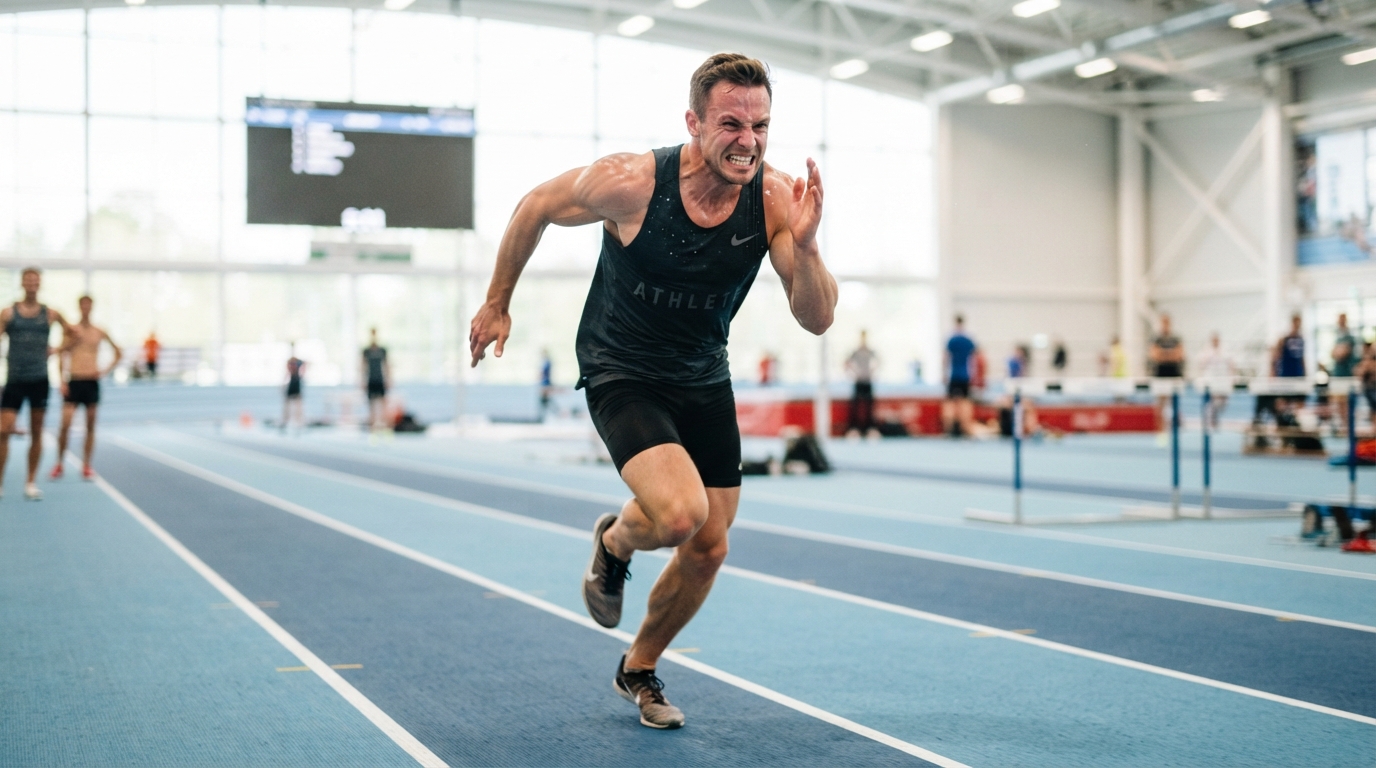
Have you ever jumped back into training after a long break only to find yourself sidelined the following week, nursing an injury or facing burnout? You're not alone. Many athletes experience what can be termed the "comeback ego," which often leads to overtraining in that crucial first week back. But why does this happen, and how can you navigate it successfully?
Context: Why This Matters Now
In a time when many are returning to sports and physical activities post-pandemic, understanding the pitfalls of re-entering training is crucial. The desire to jump back into peak performance often clouds judgment, leading to unnecessary injuries and setbacks. Equipped with insights from top experts in the field, we can better prepare ourselves to avoid the traps that come with our memories of athletic glory.
Expert Perspectives
Perspective: Dr. Matthew N. Currier (Physiologist, Sports Science)
Dr. Currier emphasizes the physiological aspect of returning to training. "When we take time off, our bodies undergo various adaptations, including muscle atrophy and reduced cardiovascular capacity. Many athletes forget how dramatically their fitness levels can drop even after a short break. They might feel mentally ready to tackle their previous workouts, but their bodies simply aren't prepared."
He indicates that the first week back is often filled with enthusiasm and motivation, leading athletes to push themselves too hard too quickly. "This mismatch can lead to injuries such as strains or sprains because the body isn't physically prepared for that level of intensity."
Advertisements
Perspective: Kelly Starrett (Coach, Author)
Kelly Starrett looks at the psychological element of returning to sports. He discusses how athletes often hold onto a strong sense of identity tied to their former accomplishments. "This comeback ego is powerful; it tells you that you can still perform at the same level you once did. But, it neglects the reality of where you've physically progressed to during your time away."
To combat this, Starrett advocates for a systematic approach to reacclimatizing to training. "Start slow. Focus on movement quality and gradually build intensity while allowing your body to adapt. This way, you'll be less likely to fall victim to the comeback ego."
Perspective: Dr. Stacey Sims (Researcher, Exercise Physiology)
Dr. Sims brings a unique perspective to the conversation, emphasizing the biological differences in male and female athletes' returns to training. "There is a general misconception that both men and women can return to training in the same way. However, hormonal fluctuations can play a significant role in how quickly an athlete can recover and adapt to training stress."
She encourages athletes, especially women, to consider their unique physiological responses when planning their return. "It's not just about pushing through; it's about understanding your body's signals and using them to tailor your training plan effectively."
Editorial Synthesis
Where Experts Agree
- Caution is Key: All experts stress the importance of a gradual return to training to avoid injuries.
- Physiological Adjustments Matter: They agree that both muscle atrophy and cardiovascular capacity diminish during breaks, requiring a tailored approach.
- Mental Preparedness is Crucial: The psychological aspect of returning to training can often lead to overestimating one's abilities.
Where Experts Disagree
- Specificity by Gender: Dr. Sims highlights gender-specific differences in recovery, while Currier and Starrett focus on general physiological effects.
- Approaches to Reacclimation: Starrett emphasizes movement quality, while Currier suggests focusing more on overall fitness levels.
Why This Matters
Understanding the dynamics behind return training is not just about avoiding injuries; it's about respecting your body's current capabilities and setting realistic, sustainable goals. Many athletes fall into the trap of pushing themselves too hard because of the drive to relive past glories—this can lead to a frustrating cycle of injuries and setbacks.