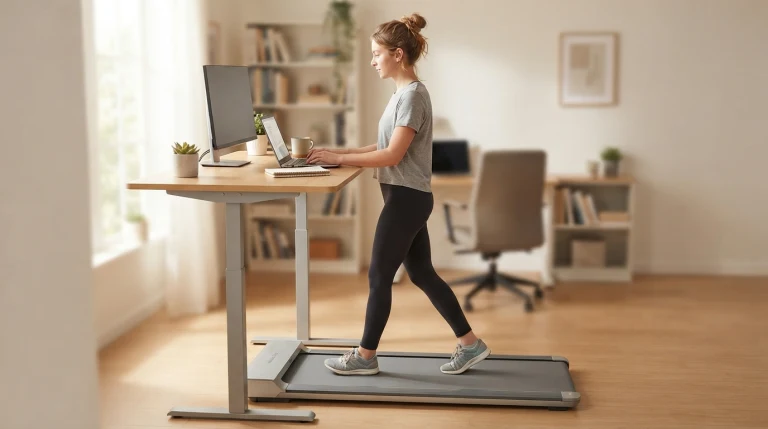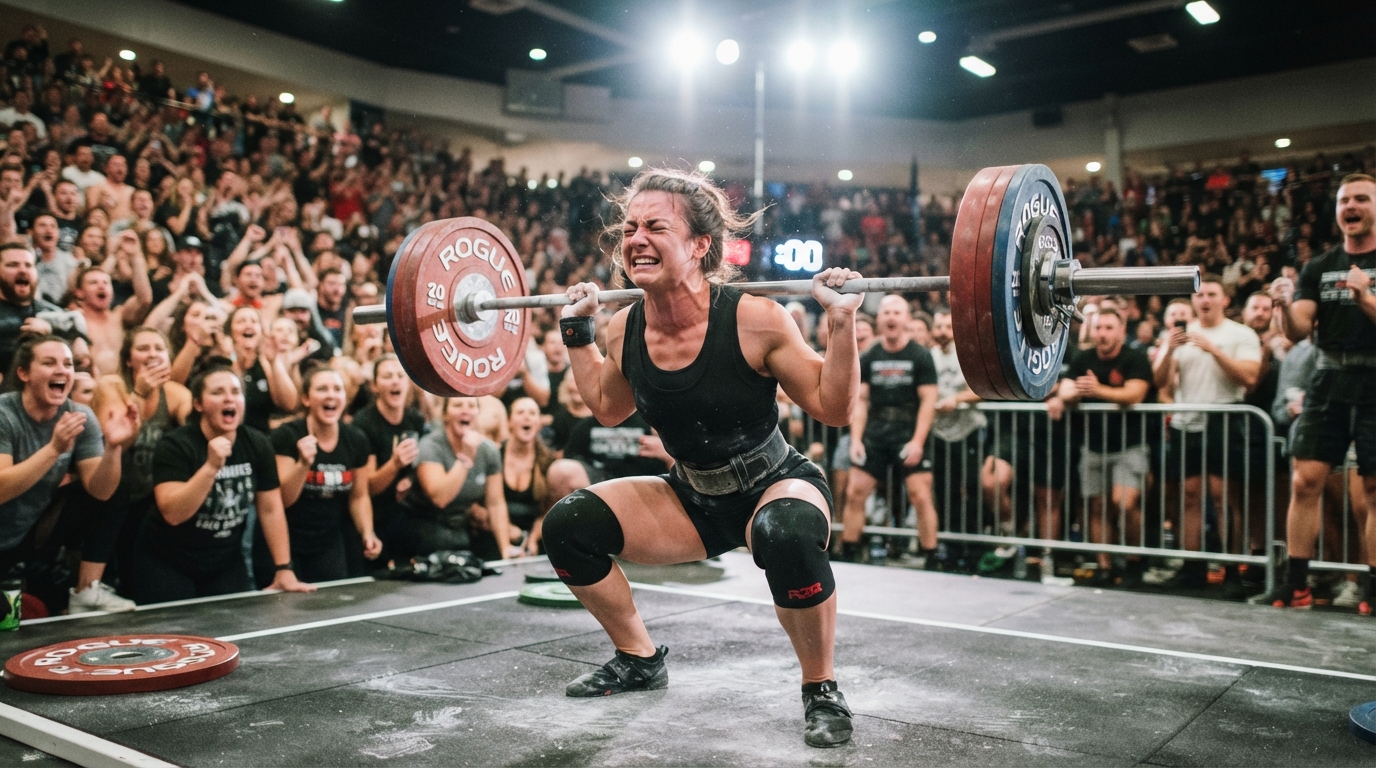
Do you perform better in front of a crowd or alone? This dilemma is at the heart of sports psychology and training performance. Whether you're in a packed gym or lifting solo, the psychological influence of an audience can significantly impact your lifting performance. Let's delve into what the experts say about how the number of onlookers can either fuel your success or lead to your downfall.
The Importance of the Crowd Effect
Understanding the crowd effect is crucial for anyone serious about optimizing their training. Recent studies show that our performance can be influenced by social interactions in a way that may surprise many. With the rise of competitive fitness events, group workouts, and social media showcasing personal lifts, knowing how to harness—or mitigate—the crowd effect could be a game-changer in your training journey.
Expert Perspectives
Perspective: Dr. John Sullivan (Sports Psychologist)
The crowd effect can be seen through the lens of social facilitation theory, which states that the presence of an audience enhances performance on well-learned tasks. Dr. John Sullivan explains, "When individuals perceive they are being watched, they tend to exert more effort. This is especially true for experienced lifters who are familiar with their routines. The adrenaline rush from performing in front of an audience often leads to increased strength output."
However, it's not all positive. Dr. Sullivan also points out that the pressure of an audience can lead to increased anxiety for some lifters. "For novices or those with lower confidence, the added scrutiny can create a performance drop-off, where the fear of failure outweighs the desire to succeed."
Perspective: Coach Jennifer Lee (Personal Trainer & Strength Coach)
Coach Jennifer Lee takes a more practical approach, emphasizing individual variability in response to an audience. She notes, "Many athletes thrive on the energy of a crowd, using it as motivational fuel. I've witnessed firsthand how supportive cheers can push athletes beyond their limits. However, others may struggle under the weight of expectations."
Advertisements
Her advice? "Understand your own psychology. If you know that you perform better with a crowd, seek out social lifting environments. Conversely, if you are someone who doesn't thrive when watched, it might be wise to stick to your solo sessions."
Perspective: Dr. Michael Thompson (Exercise Physiologist)
Dr. Michael Thompson provides a unique angle, focusing on the physiological responses to crowd dynamics. He explains that the presence of others can lead to heightened arousal levels, which may improve muscle recruitment during lifts. "In essence, the fight-or-flight response can kick in, resulting in temporary boosts in strength. This is often referred to as 'choking under pressure' or 'stepping up to the plate.'"
However, he cautions, "Not all physiological responses are beneficial. The downside is that too much pressure can lead to form breaking down, resulting in injury risk. It's essential to balance the motivational boosts with a focus on maintaining proper mechanics."
Editorial Synthesis
Where Experts Agree
- The presence of an audience can enhance performance through social facilitation, particularly for experienced lifters.
- Individual responses to crowd dynamics vary, and understanding one's own triggers can lead to improved performance training strategies.
- There is potential for injury risk when the pressure of an audience leads to compromised lifting form.
Where Experts Disagree
- Some experts believe that the audience's impact is universally positive; others emphasize the detrimental effects for less experienced lifters.
- The physiological effects of crowd dynamics are debated, particularly regarding the balance between arousal and performance stress.
Why This Matters
For anyone engaged in strength training, understanding the crowd effect can be crucial for optimizing workouts. Whether you find energy in the presence of others or prefer the solitude of a quiet gym, the implications of audience dynamics can shape not just your lifts, but your overall training philosophy.
If you desire to harness the power of a crowd, look for environments that cultivate a supportive atmosphere. On the other hand, if you know that crowds weaken your performance, adjust your training settings accordingly.