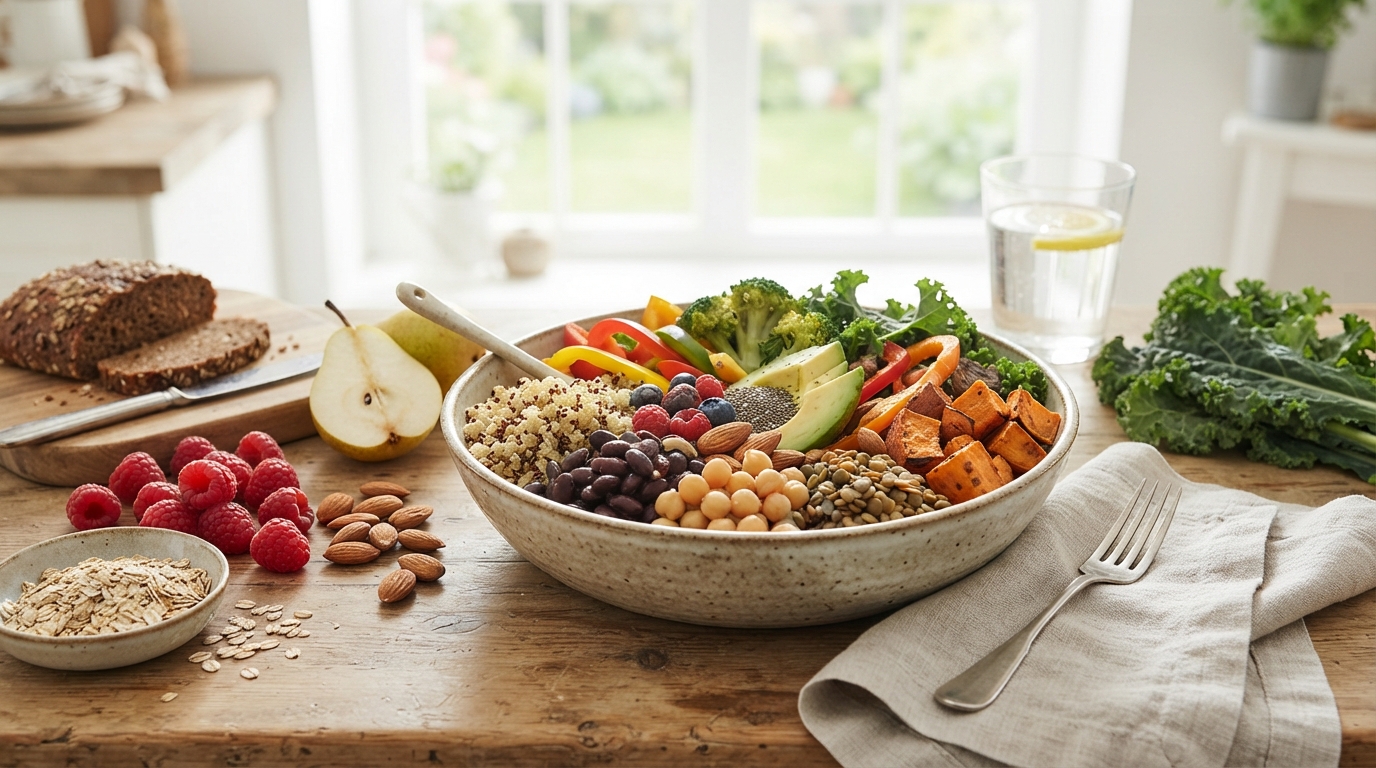
As the conversation around dietary health develops, we find ourselves bombarded with information on superfoods, trendy diets, and macronutrient ratios. But there's one critical component that seems to be fading into the background: fiber. Despite its pivotal role in overall health, fiber intake remains much lower than recommended levels. Why is this important now?
Context: Why This Matters Now
In today's fast-paced world, convenience foods dominate our diets, leading to a significant fiber gap. According to the latest dietary guidelines, adults should aim for at least 25-38 grams of fiber per day, yet studies show that the average American only consumes about 15 grams. This shortfall can lead to various health issues, such as obesity, type 2 diabetes, cardiovascular disease, and gastrointestinal problems. Understanding the expert insights on fiber can help address this gap effectively.
Perspective: Dr. Andrew Weil
Dr. Andrew Weil emphasizes the significance of fiber as a cornerstone of a healthy diet. He argues that fiber serves multiple roles, not just in gut health but also in preventing chronic diseases. "Fiber-rich foods can help regulate blood sugar and lower cholesterol levels," he explains. By advocating for a diet that incorporates fruits, vegetables, whole grains, and legumes, he encourages individuals to re-evaluate their food choices to bridge the fiber gap.
Perspective: Dr. Michael Greger
Dr. Michael Greger takes a more clinical approach, asserting that dietary fiber is not just beneficial but essential. His research indicates that higher fiber intake is associated with a decreased risk of various diseases. He stresses that many people are unaware of how dense in fiber plant foods can be, often getting their fiber from processed options instead. "Whole plant foods should be the foundation of any diet aimed at optimal health," he states firmly, promoting an evidence-based approach.
Perspective: Diana Rogers, RD
Diana Rogers provides a balanced view, advocating for a holistic approach to fiber. While she supports the consumption of high-fiber foods, she also emphasizes that fiber should not overshadow other vital nutrients found in animal products. "It's about finding a balance that works for you," she asserts, encouraging individuals to integrate both plant and animal foods in a practical way. According to her, awareness and education around fiber sources can empower people to enhance their diets effectively.
Editorial Synthesis
Where Experts Agree
- Fiber is essential: All experts recognize that dietary fiber plays a crucial role in reducing the risk of chronic diseases.
- Dietary diversity matters: Increasing the diversity of fiber sources, including fruits, vegetables, whole grains, and legumes, is universally endorsed.
- Education is needed: There is a consensus that more public education about the benefits and sources of fiber is necessary to address the gap.
Where Experts Disagree
- Source emphasis: Dr. Weil and Dr. Greger focus heavily on plant-based sources, whereas Diana Rogers advocates for a balanced approach that includes animal products.
- Practical application: There's some divergence on the practicality of increasing fiber intake; Dr. Rogers emphasizes balance and moderation, while Dr. Greger suggests a more aggressive approach.
Why This Matters
The fiber gap is not just a dietary oversight; it represents a fundamental disconnect in how we approach nutrition. As emerging obesity and health crises continue to escalate, awareness around fiber's role in supporting long-term health remains critical. The insights provided by experts like Dr. Andrew Weil, Dr. Michael Greger, and Diana Rogers illustrate that increasing fiber intake can have profound implications for individual health outcomes.