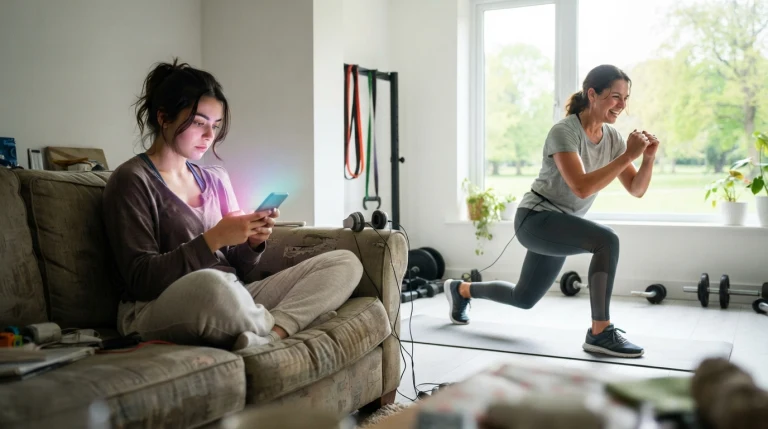
Is your workspace sabotaging your health?
As remote work becomes a fixture in our daily lives, many are discovering that their home office setups are less than ideal for their physical health. The rise in sedentary behavior due to prolonged hours spent seated has sparked concern among health experts. This article analyzes how remote work has altered our movement patterns and offers actionable strategies to mitigate the effects.
Why This Matters Now
Recent studies indicate that 80% of Americans will experience back pain at some point in their lives, and this number is expected to grow as remote work continues to be prevalent. With more people working from home, it's easier than ever to neglect physical well-being in favor of convenience. Understanding this shift is crucial for maintaining mobility and avoiding chronic pain, especially when many remote workers may not prioritize physical activity and ergonomic setups.
Expert Perspectives
Perspective: Kelly Starrett (Founder, MobilityWOD)
Movement Quality: Kelly Starrett emphasizes that the quality of movement has degraded for many remote workers. Poor posture and extended sitting lead to muscle imbalances and decreased range of motion. "Your body was designed to move, not to be stationary for hours," he states.
Daily Movement: He advocates for incorporating movement throughout the day. Simple practices like standing up, doing a few stretches, or even setting a timer to remind oneself to move can greatly enhance physical well-being.
Mobility Training: Starrett strongly suggests dedicating time to mobility training. Addressing tightness in hips, back, and shoulders through targeted stretching and foam rolling is essential to counteract the stagnation caused by prolonged sitting.
Perspective: Cathy B. Cramer (Physiotherapist & Posture Specialist)
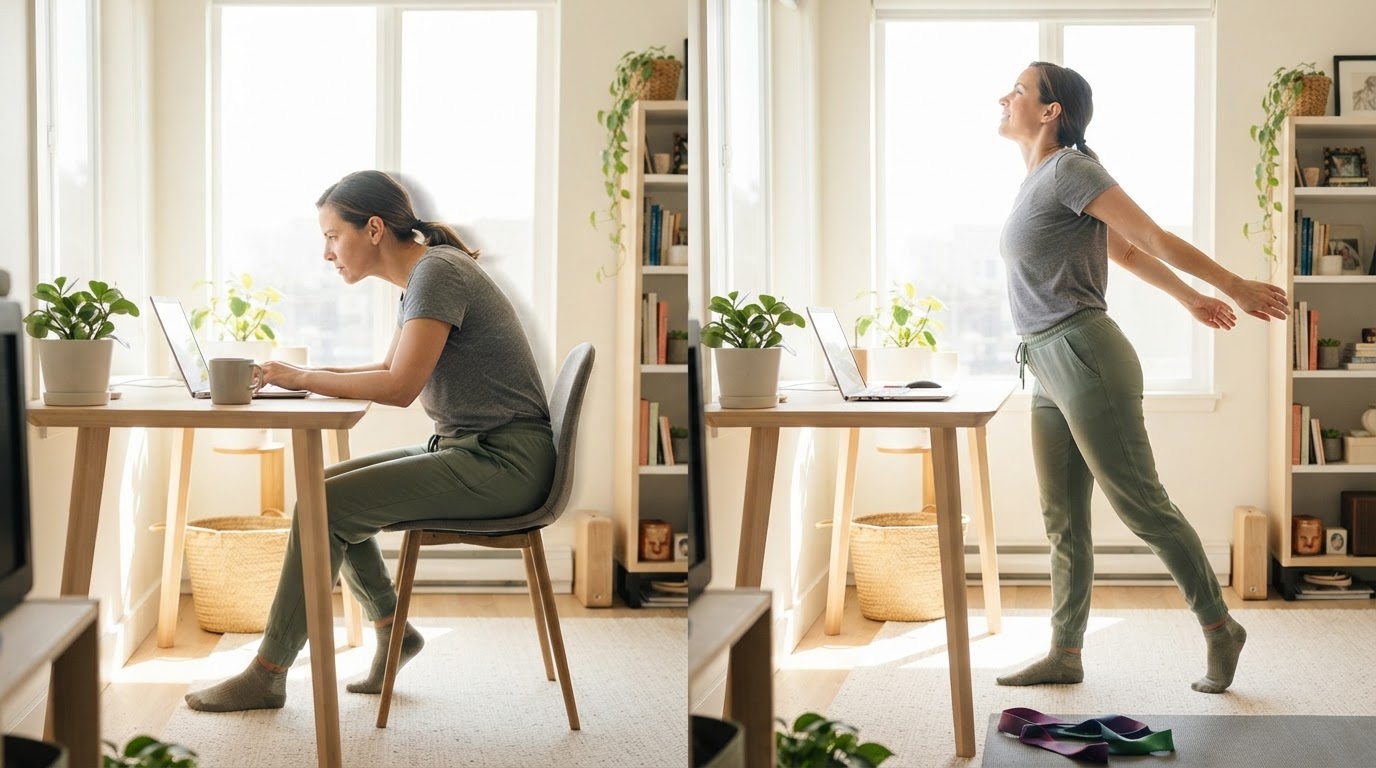
Posture Education: Cathy B. Cramer focuses on awareness of posture in the home office environment. "Most people don't realize they're slumped over their laptops," she observes. She believes that educating individuals about their posture can prevent many common musculoskeletal issues.
Ergonomics Matter: She emphasizes the need for ergonomic work setups. An adjustable chair and desk, along with proper monitor height, can drastically improve comfort and reduce strain. "Your workspace layout is part of the solution," she explains.
Targeted Exercises: Cramer recommends specific exercises aimed at strengthening core muscles and aligning the spine. Regular integration of these exercises into one's daily routine can help offset the effects of poor posture.
Perspective: Dr. Stuart McGill (Professor Emeritus, University of Waterloo)
Lumbar Health: Dr. Stuart McGill highlights how prolonged sitting can lead to lumbar degeneration and chronic back pain. He urges a focus on spine health and educational strategies for maintaining spinal integrity.
Movement Patterns: "It's not just about sitting less; it's about moving better," he insists. He proposes discovering functional movement patterns, such as squatting and hinging, to foster better body mechanics during daily activities.
Preventative Strategies: McGill stresses the importance of preventative measures, particularly for individuals already experiencing discomfort. Early intervention through proper exercises can prevent short-term issues from becoming chronic.
Editorial Synthesis
Where Experts Agree
- Movement is Critical: All experts agree on the necessity of regular movement throughout the workday to counteract the negative effects of sedentary habits.
- Importance of Posture: Proper posture is essential for maintaining musculoskeletal health in a home office environment.
- Functional Training: Targeted exercises aimed at improving core stability and mobility are key elements in preventing injury.
Where Experts Disagree
- Focus on Ergonomics vs. Movement Quality: While Cramer prioritizes ergonomic setups, Starrett and McGill emphasize the quality of movement over perfect ergonomics.
- Methods of Intervention: There's a divergence in opinion regarding how best to incorporate exercise: Cramer advocates for specific exercises, while Starrett emphasizes general movement throughout the day.