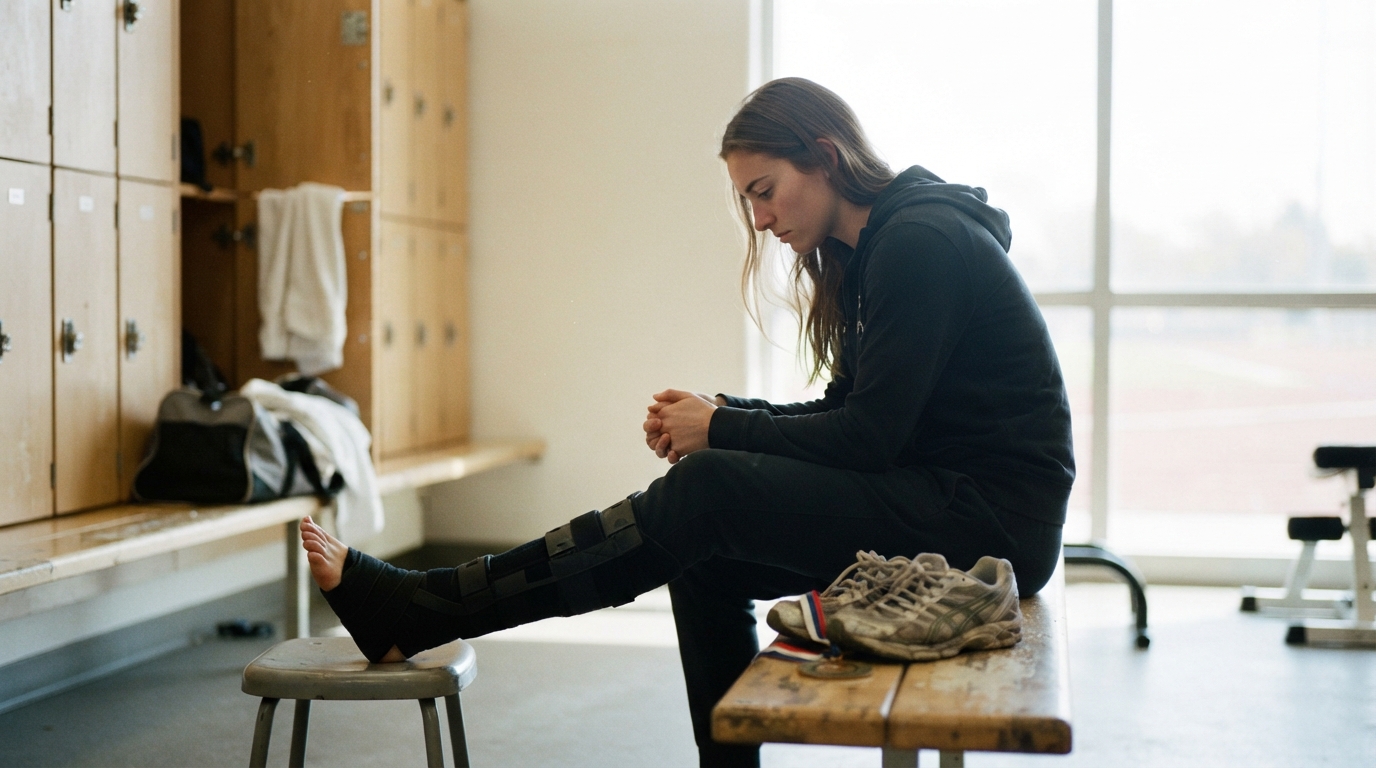
How do you cope when an injury sidelines you from training, threatening not only your physical progress but also your sense of identity?
Context
Athletes and fitness enthusiasts alike often build their lives around training. For many, the gym or field isn't just a space for physical improvement; it's also where they forge their identities. When injury strikes, it can feel like that identity is eroding. Understanding the psychological implications of this experience can be critical, especially in today's world where the pressure to perform is ever-increasing. By exploring expert insights, we can better navigate the implications of injury and learn methods for preserving our sense of self.
Expert Perspectives
Perspective: Dr. Michael Gervais (Sport Psychologist)
Dr. Michael Gervais argues that an identity rooted in physical performance can create vulnerability when injuries occur. He notes, "Athletes often tie their self-worth to their abilities. When an unforeseen injury strikes, it's natural to feel a sense of loss not just physically but also psychologically."
To protect against this identity erosion, Dr. Gervais suggests:
Advertisements
- Refocusing on other personal values: Identify aspects of life outside of training—relationships, skills, hobbies—that can bolster your sense of identity.
- Implementing mental training: Visualization and cognitive restructuring techniques can help you maintain a strong sense of self despite physical limitations.
Perspective: Samantha Clayton (Director of Fitness Education, Herbalife)
Samantha Clayton emphasizes the importance of adaptability in maintaining one's identity during recovery. She states, "Injuries can sideline you from your fitness routine, but they can also serve as an opportunity to explore new avenues of health and wellness."
Clayton encourages individuals to:
- Engage in alternative workouts: While traditional training routines might be off-limits, exploring new activities—like swimming, yoga, or Pilates—can provide a fresh perspective.
- Focus on nutrition: Proper nutrition plays a vital role in recovery. Dedicating time to learn about diet can enhance one's understanding and respect for their body, maintaining a positive self-image.
Perspective: Dr. Kevin B. Smith (Physiotherapist and Rehabilitation Specialist)
Dr. Kevin B. Smith provides a clinical perspective on the physical and emotional ramifications of injury. He explains, "Injuries often come with a sense of isolation. The social aspects of training—team dynamics, gym buddies—are removed, leaving individuals feeling stagnant."
His recommendations for preserving identity during rehabilitation include:
- Establishing a rehabilitation routine: Structured recovery plans can help create a sense of normalcy and progress.
- Incorporating social support: Engage with friends or join a support group for injured athletes to maintain the community aspect of fitness while recuperating.
Editorial Synthesis
Where Experts Agree
- Identity is crucial: All experts assert that our sense of self can be deeply connected to training.
- Importance of coping strategies: Dr. Gervais, Clayton, and Smith underscore the need for coping mechanisms to address identity erosion during recovery.
- Social connections matter: Maintaining a support system is highlighted by all experts as a protective factor during injury.
Where Experts Disagree
- Focus on vulnerability vs. opportunity: Dr. Gervais leans towards a focus on vulnerability, while Clayton emphasizes seeing injury as an opportunity for growth and exploration.
- Variability in recovery techniques: While Dr. Smith stresses structured rehabilitation routines, Dr. Gervais promotes mental strategies, merging both perspectives may provide a more holistic approach.