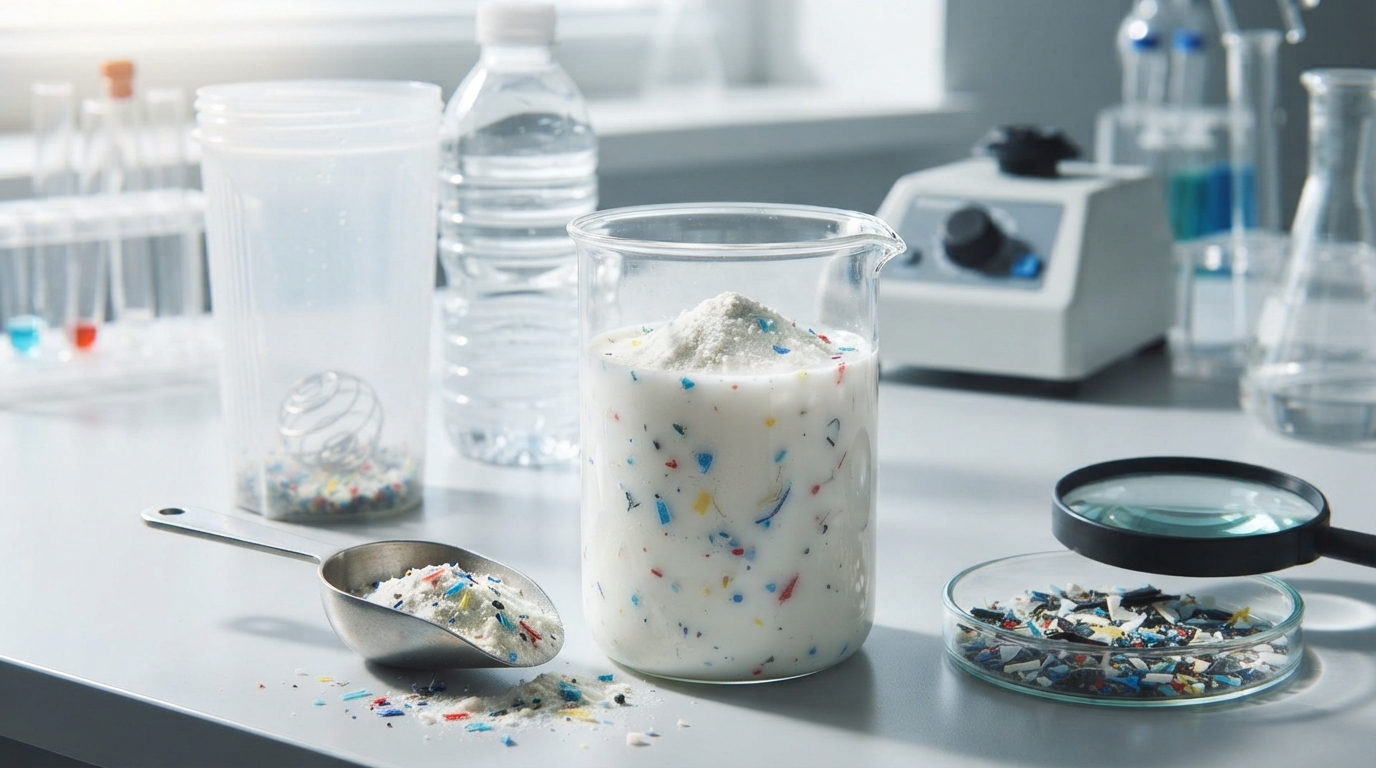
Are you unintentionally consuming plastic every time you hydrate or fuel? The sheer volume of plastic in our daily lives is staggering, and it has now begun to seep into the realm of sports nutrition. Emerging studies suggest that microplastics, fragments of plastic smaller than 5mm, increasingly contaminate protein powders, hydration bottles, and shaker cups. As athletes strive for optimal nutrition, understanding the implications of plastic contamination is critical.
Context: Why This Matters Now
In recent years, increased scrutiny on both health and environmental fronts has highlighted the prevalence of microplastics. These tiny particles can originate from various sources, including the degradation of larger plastic items and even the very containers we rely on for hydration and nutrition.
Given that protein powders and bottled waters are staples in many athletes' diets, the potential for microplastic contamination raises numerous questions about safety and efficacy. Current research is beginning to provide some insight, but the conversation is still relatively nascent. Understanding the effects of plastic ingestion is important for health-conscious athletes who prioritize nutrition.
Perspectives on Microplastics in Sports Nutrition
Perspective: Dr. Sherri Mason - Professor of Chemistry, SUNY Fredonia
Dr. Mason emphasizes the scale and implications of microplastic contamination in our food and supplements.
"The presence of microplastics isn't just a theoretical concern anymore. My research indicates that microplastics are ubiquitous and can accumulate in our food systems."
Dr. Mason points out that many protein powders are sourced from plants that may have been exposed to microplastic-laden soil or water. She advises consumers to be cautious.
"Choosing reputable brands that prioritize quality control is essential. Testing for microplastics should become a standard practice in the industry."
Advertisements
Perspective: Dr. David A. Brown - Sports Dietitian and Researcher
Dr. Brown takes a more applied approach, focusing on how microplastics can affect athletic performance and nutrition.
"As athletes, we consume large amounts of protein and fluids to support recovery and performance. If those sources are contaminated with microplastics, it raises concerns over their safety."
He warns of potential health implications, noting that while studies on microplastics are still limited, early research suggests possible endocrine disruption and inflammatory responses. "We need more rigorous studies to determine the health impacts, but the initial signs are enough to warrant caution."
Perspective: Dr. Melissa B. Manders - Physiologist and Fitness Researcher
Dr. Manders acknowledges the growing concern but stresses the importance of practical application.
"The concern for microplastics shouldn't deter people from using protein powders or hydration products altogether. Moderation and informed choices are key."
She suggests that while the contamination is concerning, the immediate benefits of protein intake for muscle recovery often outweigh the potential risks of minor microplastic exposure. Dr. Manders encourages athletes to focus on overall diet quality and to vary their protein sources, reducing reliance on singular products.
Editorial Synthesis
Where Experts Agree
- Microplastics are prevalent in sports nutrition products like protein powders and hydration containers.
- More research is needed to fully understand the health implications of long-term microplastic consumption.
- Choosing reputable brands and varying protein sources can be beneficial for overall health.
Where Experts Disagree
- The extent to which microplastics pose a significant health risk over the short and long term.
- Whether the benefits of athletic nutrition outweigh potential microplastic dangers.
- The necessity and feasibility of incorporating microplastic testing across the industry.
Why This Matters
As athletes continue to prioritize performance, understanding the potential dangers lurking in our nutrition sources is crucial. The consensus among experts is clear: while more research is needed, the data already available points to a concerning trend of plastic contamination in products we consume daily.
Dr. Mason's call for rigorous testing is echoed by both Dr. Brown and Dr. Manders, indicating that as consumers, we should be vigilant about our choices. Making informed decisions about what we eat and drink doesn't just enhance our performance; it can safeguard our health in an increasingly plastic-laden world.