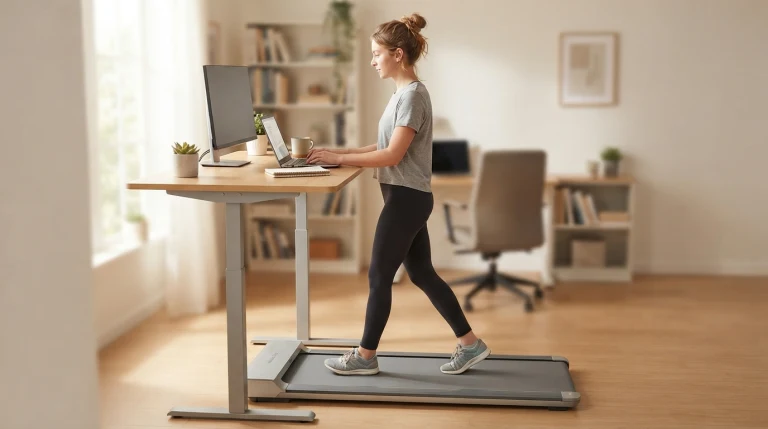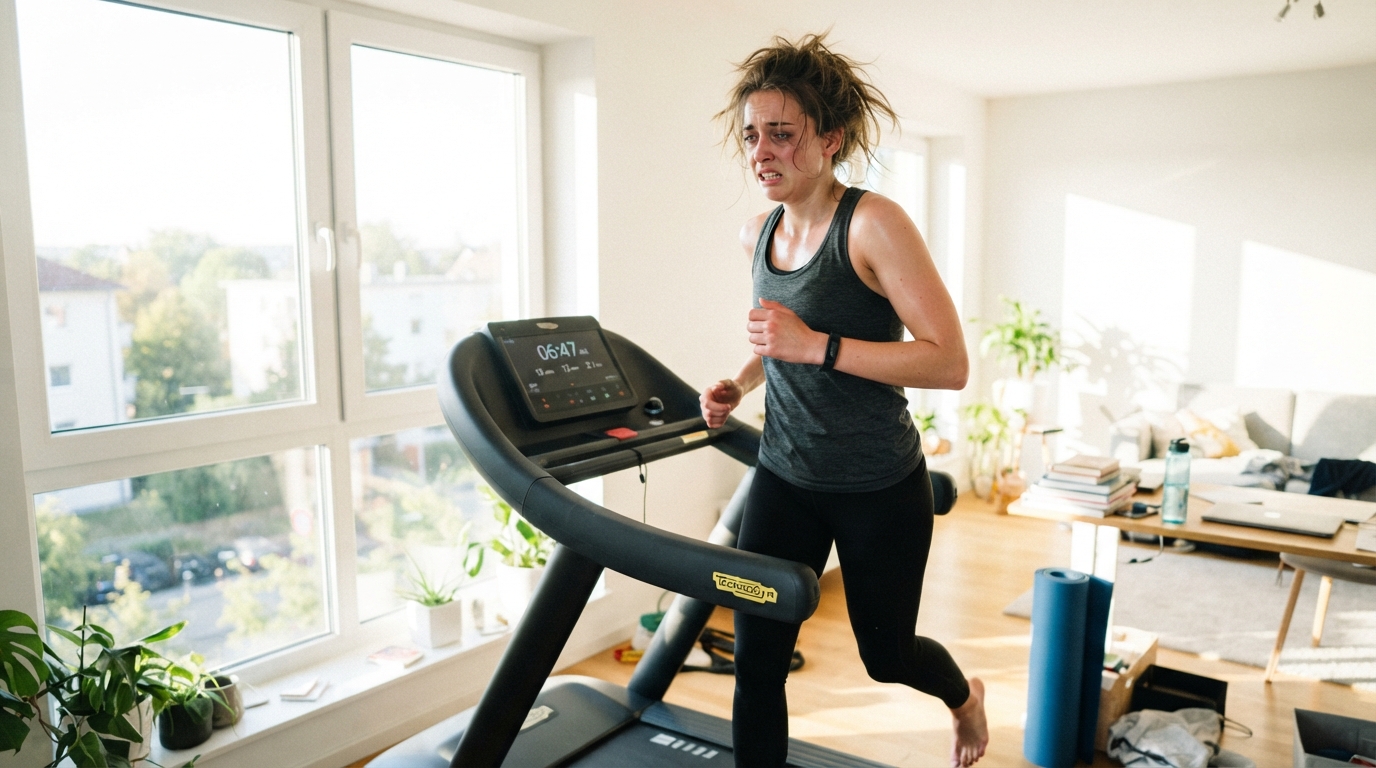
Is the ideal time to train really at dawn? For many, waking up early to exercise is a daunting prospect. As the research shows, training science often favors morning workouts, which can leave late risers at a disadvantage. This article dives into why that is the case and what steps late risers can take to overcome these biases.
Why This Matters Now
With more than 40% of the population identifying as night owls (those who generally prefer later sleep and wake times), understanding this phenomenon is vital. Traditional fitness programs often promote early morning workouts, creating a rift that can discourage those who feel more energized in the evening. Addressing these biases is crucial for creating inclusive fitness routines that can be adapted to fit individual lifestyles, thereby promoting better health outcomes for everyone.
Expert Perspectives
Perspective: Dr. Christopher R. Lee (Sleep Researcher, University of California)
Dr. Christopher R. Lee emphasizes that our internal clocks, or circadian rhythms, play a significant role in determining when we feel alert and ready to train. "Morning people typically have a circadian phase that aligns with early physical activity, allowing for optimal hormone levels and energy," he notes. "In contrast, night owls may struggle with early workouts because their bodies are not primed for exertion at those times." He suggests that training science should incorporate these biological variations if it aims to be genuinely effective.
Perspective: Dr. Melanie J. Brown (Physiologist, National Institute of Health)
Dr. Melanie J. Brown counters that while circadian biology matters, the research bias runs deeper than individual chronotype — it's baked into how most performance studies are designed. "Most exercise physiology research is conducted during standard business hours, which naturally favors morning-oriented protocols. That's a methodological artifact, not necessarily a biological mandate," she explains.
Advertisements
Brown points out that markers like core body temperature, cortisol, and testosterone follow individual circadian patterns that can be trained and shifted over time. "Night owls aren't broken morning people. Their performance peaks — often in the late afternoon or evening — are just as legitimate, but chronically underrepresented in the literature," she says. She calls for more chronotype-diverse study populations before broad recommendations are made.
Perspective: Coach Daniel Ferris (Strength and Conditioning Coach)
Coach Daniel Ferris brings a practical, in-the-gym perspective for night owls trying to make a morning-centric fitness culture work for them. "I've trained plenty of night owls who force themselves into 6 a.m. sessions because that's what the fitness world tells them is 'disciplined.' Half the time, they're leaving performance on the table," he says.
Ferris recommends night owls track their own energy patterns for a week or two before committing to a training schedule. "If you're consistently stronger and more focused in the evening, lean into that. Consistency and matching intensity to your natural peak will beat forcing a suboptimal morning session every time," he advises.
Editorial Synthesis
Where Experts Agree
- Circadian rhythm meaningfully affects energy, hormone levels, and readiness to train.
- Training science has historically been shaped by morning-oriented assumptions and study designs.
- Individuals should structure workouts around their own chronotype rather than a one-size-fits-all schedule.
Where Experts Disagree
- Dr. Lee frames the disadvantage primarily as a biological mismatch, while Dr. Brown attributes much of it to research design bias rather than an inherent limitation of night owls.
- Ferris focuses on practical, individualized scheduling, while the researchers emphasize the need for the science itself to catch up.
Why This Matters
The assumption that early morning is the "right" time to train has shaped fitness culture for decades, often at the expense of the sizable portion of the population whose biology simply doesn't align with it. Recognizing that training science carries this bias opens the door to more personalized, effective approaches — ones that work with an individual's natural rhythms rather than against them.