Opening Question
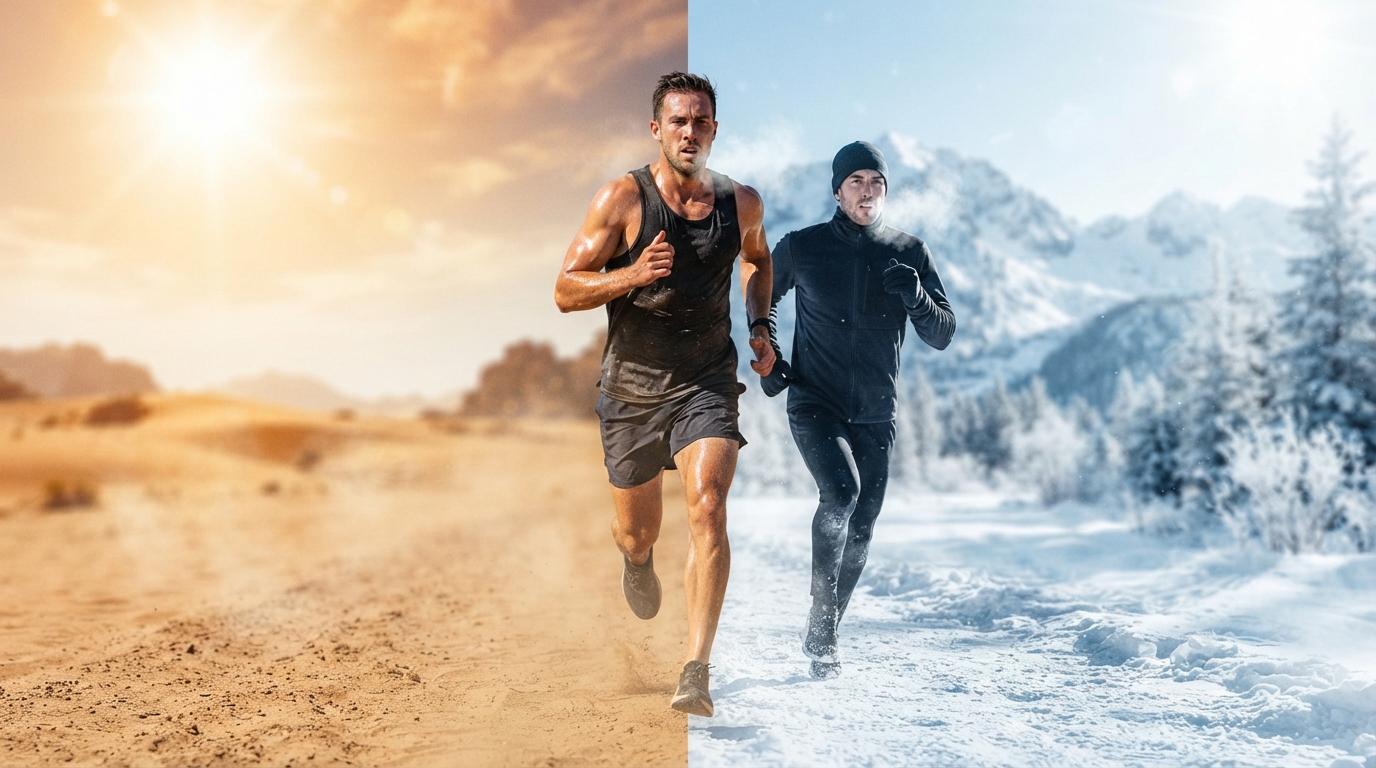
How does the temperature of your training environment affect your performance and recovery? Does heat offer benefits that cold cannot match, or vice versa? As athletes push their limits, understanding this relationship has never been more crucial.
Context
In today's competitive sports landscape, optimizing training conditions can give athletes the edge they need. With professionals and amateurs increasingly experimenting with temperature-based training regimens, the debate over whether to train in heat or cold intensifies. Moreover, environmental challenges like extreme heat or cold can inadvertently expose athletes to risks, making it essential to know how to adapt effectively.
Expert Perspectives
Perspective: Dr. Jason K. D. L. Lee (Physiologist, Stanford University)
Dr. Lee emphasizes the physiological adaptations that occur when training in heat. "When you exercise in a hot environment, your body increases plasma volume, dilutes blood, and enhances your cardiovascular efficiency," he notes. Heat training can lead to improved endurance and a more robust cardiovascular response.
He points out that heat acclimatization not only boosts performance but also aids recovery by improving muscle hydration and nutrient delivery post-exercise. Athletes may see a boost in their output during events, as heat-trained individuals can manage higher body temperatures better and sustain performance under duress.
Perspective: Dr. Sarah M. Budd (Dietitian, University of Texas)
Shifting the focus to nutritional strategies, Dr. Budd underscores the need for tailored dietary adjustments based on training temperature. "Training in heat requires careful fluid and electrolyte management to maintain performance and metabolic function," she explains. Athletes should be aware that sodium and potassium losses during sweating can impede performance if not adequately replenished.
Conversely, Dr. Budd points to the benefits of training in cooler environments. "Cold training can reduce inflammation, leading to faster recovery times and less muscle soreness post-workout." She believes cold exposure can be particularly beneficial during recovery phases, converting the body's metabolic state to promote repair.
Perspective: Coach Mike W. Anderson (Head Coach, Elite Performance Academy)
Coach Anderson brings a practical lens to the discussion, arguing that the choice between heat and cold training ultimately depends on the athlete's specific goals. "If the focus is endurance and performance at higher intensities, training in heat could be advantageous," he asserts. However, he also highlights the value of cold training for athletes in recovery modes or those aiming for strength gains.
"Insights from my coaching experience suggest that there's no one-size-fits-all solution; athletes should assess their training blocks strategically, considering how to incorporate temperature variations around their competition schedules."
Editorial Synthesis
Where Experts Agree
- Training in heat promotes cardiovascular efficiency and endurance through adaptation.
- Nutrition and hydration are crucial when training in high-heat conditions.
- Recovery strategies can be enhanced through training in cooler environments.
Where Experts Disagree
- The extent to which heat training directly translates to performance gains in competitive events.
- Optimal strategies regarding recovery and hydration protocols for differing temperatures.
- The balance of heat and cold training in a comprehensive athletic program.
Why This Matters
Understanding the temperature equation in training can influence not just performance but overall health and safety during workouts. As Dr. Lee points out, acclimatization is vital for athletes who compete in heat. Meanwhile, Dr. Budd's emphasis on nutrition highlights the role of proper dietary management, regardless of the temperature context. Coach Anderson rounds out the discussion with actionable coaching insights, noting that athletes can create tailored training schedules to capitalize on the unique benefits of both environments.