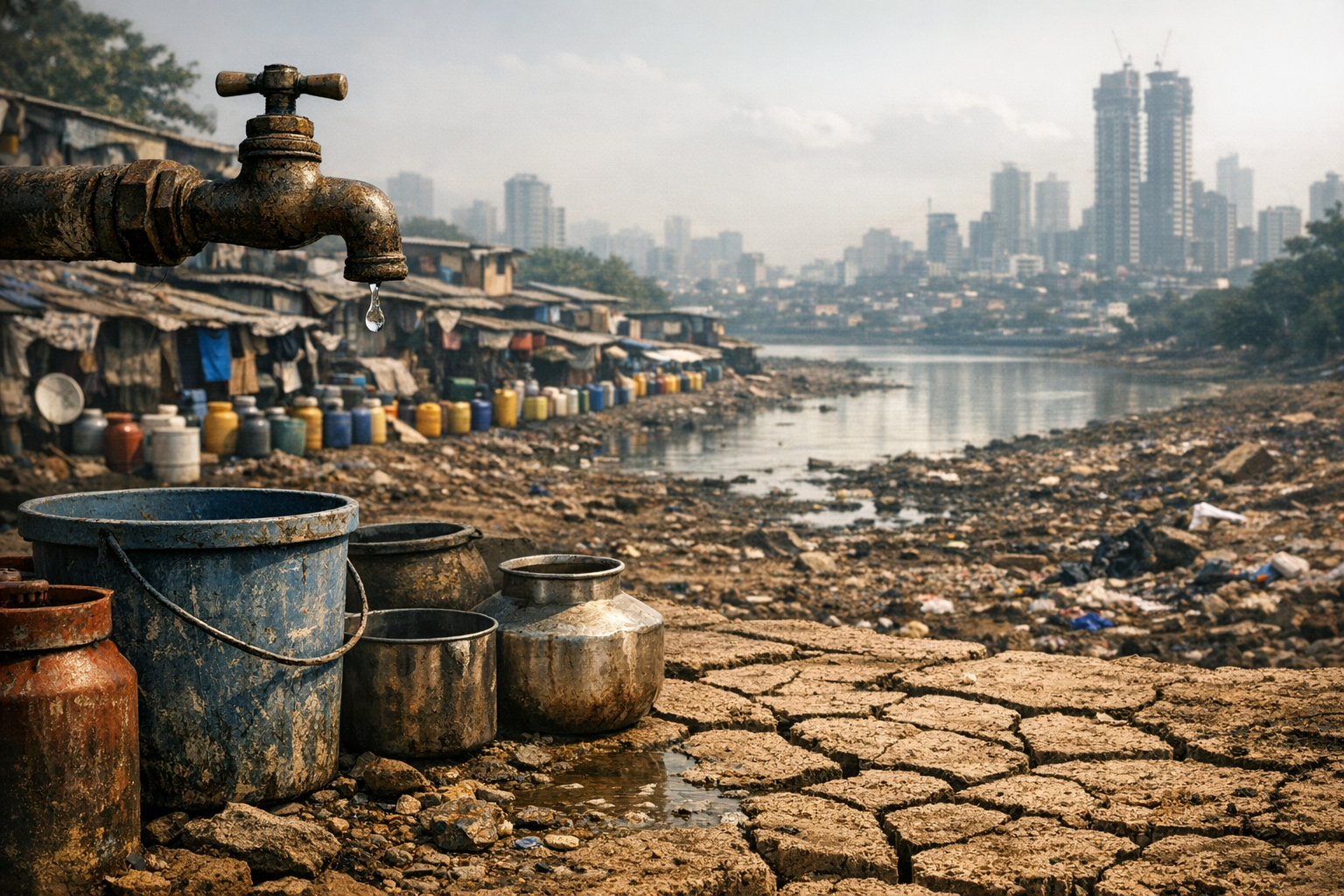
Is Mumbai facing an imminent water crisis?
As monsoons shift and urban demands rise, the question of water scarcity looms large in Mumbai. With a population exceeding 20 million, the city faces an unfolding crisis that challenges its very infrastructure and survival.
Context of the Crisis
Over the last decade, Mumbai has witnessed fluctuating rainfall patterns, exacerbating existing issues of water supply, distribution, and waste management. With rising temperatures and diminishing groundwater levels, the urgency of addressing water sustainability has never been higher. Understanding how various experts interpret this crisis is essential for residents, policymakers, and environmental advocates alike.
Perspective: Dr. Aditi Sinha - Senior Researcher, Water Policy Institute
Dr. Sinha articulates a strong concern regarding policy and infrastructure shortcomings. "Mumbai’s current water management policies are reactive rather than proactive. This leads to a lack of preparedness during dry spells, forcing the city to depend heavily on monsoon rain," she explains.
She emphasizes the need for comprehensive data collection to analyze water usage patterns. Dr. Sinha is a proponent of building more sustainable reservoirs and increasing rainwater harvesting systems in existing structures. "Given current urbanization levels, we need integrated water resource management to counteract vulnerabilities," she states.
Perspective: Rahul Mehta - Environmental Coach
Rahul Mehta takes a more grassroots approach, advocating for behavioral change among residents. "Water conservation starts at home. People must adopt more sustainable habits like fixing leaks, using water-efficient appliances, and minimizing waste in day-to-day routines," he asserts. He highlights community-driven campaigns that educate citizens on water conservation techniques. Mehta also stresses the role of indigenous technologies, such as bio-swales and rain gardens, which can significantly alleviate urban flooding and enhance groundwater recharge.
He adds, "The city can tackle its crisis effectively if residents commit to change on an individual level."
Perspective: Geeta Anand - Dietitian and Health Advocate
Drawing a connection between water quality and health, Geeta Anand addresses the implications of a water crisis on public health. "Access to clean water is critical for nutrition and overall well-being. When water scarcity strikes, communities often turn to low-quality sources, leading to health complications,” she warns.
Anand emphasizes educating the public about the nutritional aspect of hydration. “It’s not just about quantity but quality; the water we drink must be safe. Hygienic practices surrounding water usage need to be prioritized. We must help communities understand the relationship between water, nutrition, and health outcomes,” she insists.
Editorial Synthesis
Where experts agree
- Sustainable Management: All experts emphasize the importance of efficient water management strategies to combat scarcity.
- Community Involvement: There is a consensus on the need for individual and collective action. Promoting water-saving habits is crucial.
- Health Implications: The experts recognize that deteriorating water quality directly impacts public health and nutrition.
Where experts disagree
- Focus Solutions: Dr. Sinha prioritizes policy changes and infrastructure, while Mehta focuses on individual behavior as the primary lever for change.
- Community Education: While Mehta emphasizes grassroots movements, Anand underscores the importance of health education in understanding water's role in nutrition.
Why This Matters
The water crisis in Mumbai isn't just an environmental issue; it’s a health, economic, and social challenge that requires a multifaceted approach. The consequences of inaction are profound: increased health risks, disrupted food security, and economic strain on households relying on agriculture and fisheries.
Understanding the diverse perspectives enhances the conversation around sustainable practices that the city must adopt. From government policy adaptations, community-driven changes, and health awareness initiatives, tackling Mumbai's water crisis requires collaboration across all levels. As residents face fluctuating availability, comprehending the nuances of expert recommendations is vital for informed decision-making and contributing to solutions.
As the city's situation evolves, staying informed and proactive will be integral to ensuring that water remains a resource, not a constraint.