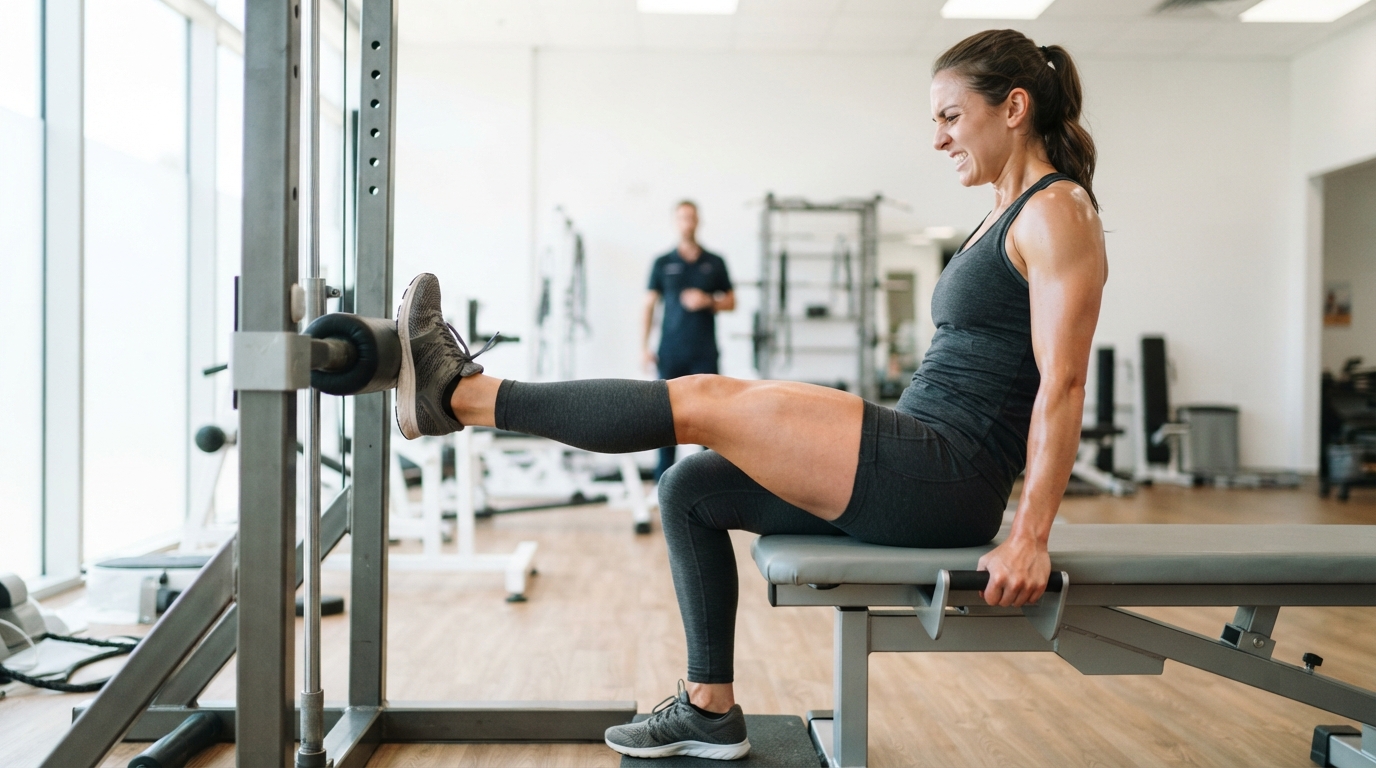
Isometric training has often been sidelined in discussions about strength training, yet it has a long-standing reputation in rehabilitation science. As more people seek alternatives for strength and rehabilitation, isometric training deserves a closer look. Should it be embraced more widely in training regimes? Let’s explore varying expert perspectives to find out if this method deserves more recognition or if it should remain a niche practice.
Why This Matters Now
With rising rates of injuries in both athletic and everyday populations, it’s crucial to identify effective rehabilitation and strength strategies. Isometric training has been used for decades, particularly in physical therapy settings, but research on its broader applications in fitness is limited. As many seek reliable methods to enhance strength and recovery without the risks associated with dynamic movement, isometric training could represent an alternative worth considering.
Perspective: Dr. Stuart McGill
Dr. Stuart McGill, a renowned expert in spine biomechanics, emphasizes the stability benefits of isometric training. He argues:
- Load Management: “Isometrics allow for the loading of muscles and joints without the dynamic movement that often aggravates injuries.” This is crucial for rehabilitation where joint stability is essential.
- Spinal Safety: McGill highlights that isometric exercises can help develop core strength and spinal stability safely. “For individuals with back pain or instability,” he states, “isometric training can serve as a bridge to more dynamic exercises.”
Perspective: Chris Beardsley
Strength coach and researcher Chris Beardsley takes a different angle, suggesting that the limited research may underestimate the performance benefits of isometric training:
- Muscle Activation: Beardsley notes, “Isometric training has been shown to increase muscle activation significantly, sometimes more than dynamic lifting.” He points out that engaging muscles in a static hold can cultivate strength through specific joint angles.
- Power Transfer: He advocates for isometrics as a tool for improving overall power output in dynamic lifts, saying, “Training at specific angles can transfer to improved performance in traditional lifts.” This might explain why some athletes are incorporating isometrics into their training to enhance overall strength.
Perspective: Dr. Steven I. Smith
Physiotherapist Dr. Steven I. Smith brings a rehabilitation-focused view. He discusses the role of isometric training in recovery:
- Pain Reduction: He mentions that “Isometric exercises can effectively reduce pain in injured areas while maintaining muscle strength.” In his practice, he has seen clear benefits when patients engage in isometric holds, particularly for knee and shoulder injuries.
- Accessibility: Dr. Smith points out that isometric training can be easily adapted for various fitness levels and environments, making it accessible for individuals who may not be able to perform traditional strength exercises due to injury or lack of equipment.
Editorial Synthesis
Where experts agree
- Isometric training can be beneficial for injury prevention and rehabilitation.
- There is a need for more research to explore the full benefits of isometric exercises in strength training.
- Isometrics can help maintain muscle and joint function during recovery.
Where experts disagree
- The applicability of isometric training outside of rehabilitation contexts is debated, with some advocating for its role in athletic performance while others remain skeptical.
- Variations in isometric training methods and their effectiveness for strength gains continue to provoke differing opinions.
Why This Matters
As the conversation around fitness continues to evolve, exploring underutilized methods like isometric training can open new avenues for strength and rehabilitation strategies. By integrating insights from experts like Dr. McGill, Beardsley, and Dr. Smith, individuals and practitioners can consider how these exercises might fit into comprehensive training and recovery plans.
Properly-contextualized isometric training not only aids in recovery but also provides a solid foundation for performance enhancement. Whether you are a physical therapist rehabilitating a patient or a strength trainer aiming for peak performance, understanding and integrating isometric exercises into routines can yield tangible benefits. The question remains: Are we ready to give isometric training the spotlight it deserves?
In addressing the benefits and applications of isometric training, it’s essential to recognize that while this method has been known and utilized for years, its potential in broader fitness domains is underexplored. Engaging with this form of strength work might just be the key to unlocking your fitness and recovery potential.