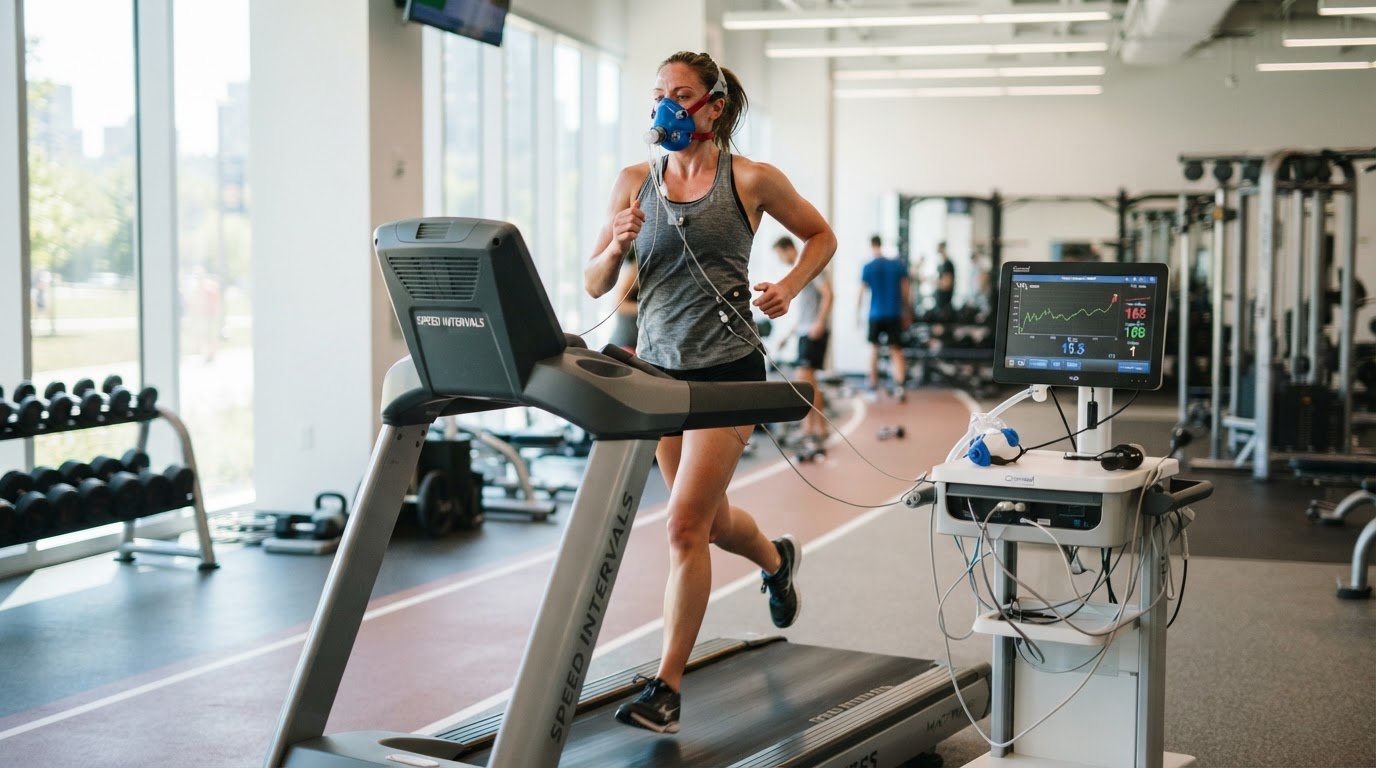
Can recreational athletes tap into the benefits of altitude training without leaving sea level? The concept of Live High, Train Low has become increasingly relevant. Overall, it suggests that spending time at high altitudes—where there's less oxygen—could boost endurance performance for those who don't normally have access to mountainous regions.
Context
In recent years, more recreational athletes have sought to optimize their training environments, leading to a surge in interest in methods that simulate altitude. While elite athletes have employed these strategies for some time, accessibility remains a significant barrier to the average person. Understanding how these principles apply to recreational athletes is crucial, especially as the sport continues to evolve. It impacts not only performance but also health and wellness as more people engage in fitness activities.
Expert Viewpoints
Perspective: Dr. Ben Levine
Dr. Ben Levine emphasizes the physiological adaptation that occurs when athletes live at high altitudes. According to him, when you live in low-oxygen conditions, your body undergoes significant changes that enhance red blood cell production, increasing your oxygen-carrying capacity. For recreational athletes, this can translate to improved endurance and potentially quicker recovery times:
- Research Highlight: Dr. Levine points to studies indicating that moderate exposure to high altitude can enhance VO2 max—the maximum amount of oxygen your body can utilize during exercise—by about 10%.
- Recommendation: He advocates for a strategic implementation of altitude exposure for those unable to travel, such as utilizing hypoxic tents or masks that simulate the low-oxygen environment to drive adaptations.
Perspective: Dr. Stephen Seiler
Dr. Stephen Seiler, a prominent researcher and coach, focuses on the practicalities of training and performance. He reminds us that while altitude training can yield benefits, it's essential to contextualize these adaptations within the framework of everyday training:
- Research Insight: Seiler mentions the pivotal role of training load and recovery, arguing that simply living at altitude without adequate training wouldn't yield the desired gains. "It's about the balance," he notes.
- Strategy: For athletes living at sea level, he recommends incorporating interval and endurance training but balances this with adequate recovery. Combining these with altitude training tools can be more effective than altitude exposure alone.
Perspective: Dr. Iñigo Mujika
Dr. Iñigo Mujika brings a coaching perspective focused on performance outcomes. He warns that while the physiological benefits are compelling, without a structured approach to training, athletes could miss out on the rewards.
- Critical Point: Mujika asserts that unless an athlete is targeting specific performance goals, the pursuit of altitude adaptation might not be worth the effort. "The training should always align with clear objectives," he explains.
- Best Practices: Mujika suggests a combined approach where athletes adhere to well-designed training plans while making use of altitude simulations sporadically to enrich their routines.
Editorial Synthesis
Where Experts Agree
- Physiological Benefits: All three experts acknowledge that training at altitude or using simulations can improve aerobic capacity and endurance.
- Need for Context: They all stress the importance of fitting altitude training into a broader training regimen tailored to individual goals.
- Access to Tools: The use of hypoxic gear or simulated environments can provide benefits similar to high-altitude training for recreational athletes.
Where Experts Disagree
- Training Frequency: Levine may advocate for more regular exposure to altitude than Seiler and Mujika suggest, who highlight the risk of overtraining.
- Effectiveness for General Athletes: Mujika is more skeptical about its applicability for athletes with non-elite aspirations, while Levine presents a stronger case for potential benefits across various levels of athletes.
- Recovery Emphasis: Seiler places greater emphasis on recovery needs compared to Levine's more aggressive application of altitude training principles.
Why This Matters
Understanding the Live High, Train Low paradigm offers recreational athletes the opportunity to enhance their performance with the right approach. As resources become more accessible, the potential benefits also grow. Making informed decisions on training methods can help you maximize your fitness without needing to ascend a mountain.