Opening Question
Can your local park become your gym?
In a world where gym memberships can feel like a luxury — and home equipment often comes with a hefty price tag — many people are left seeking viable alternatives to meet their fitness goals. Enter the public space: parks filled with benches, playgrounds ready for innovative workouts, and the ever-reliable street furniture. Can these options replace the conventional gym experience?
Why This Matters Now
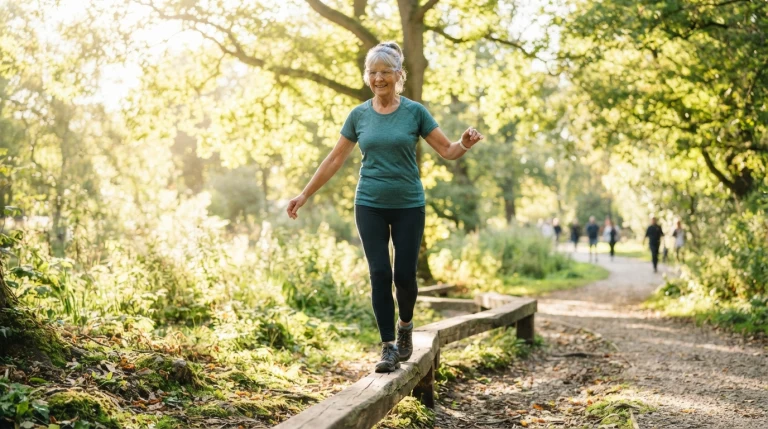
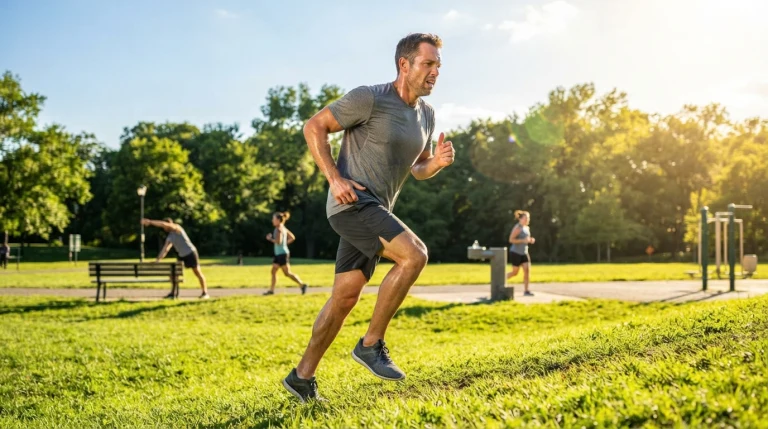
As fitness trends shift toward accessibility and affordability, it's crucial to consider alternative workout spaces. With the COVID-19 pandemic shaking up how we think about gyms and outdoor activity, there has never been a better time to reassess our fitness environments. Research shows that getting outside not only aids physical health but also enhances mental well-being. With public spaces widely available, leveraging them as workout areas could encourage more individuals to engage regularly in physical activity.
Expert Perspectives
Perspective: Brett Klika (Owner, Faction Training)
Brett Klika believes that public spaces are an underutilized resource for fitness enthusiasts. "Public parks and playgrounds are designed for community engagement," he explains. "They offer various features that can easily replace traditional gym equipment, such as benches for step-ups, playground bars for pull-ups, and open areas for bodyweight exercises."
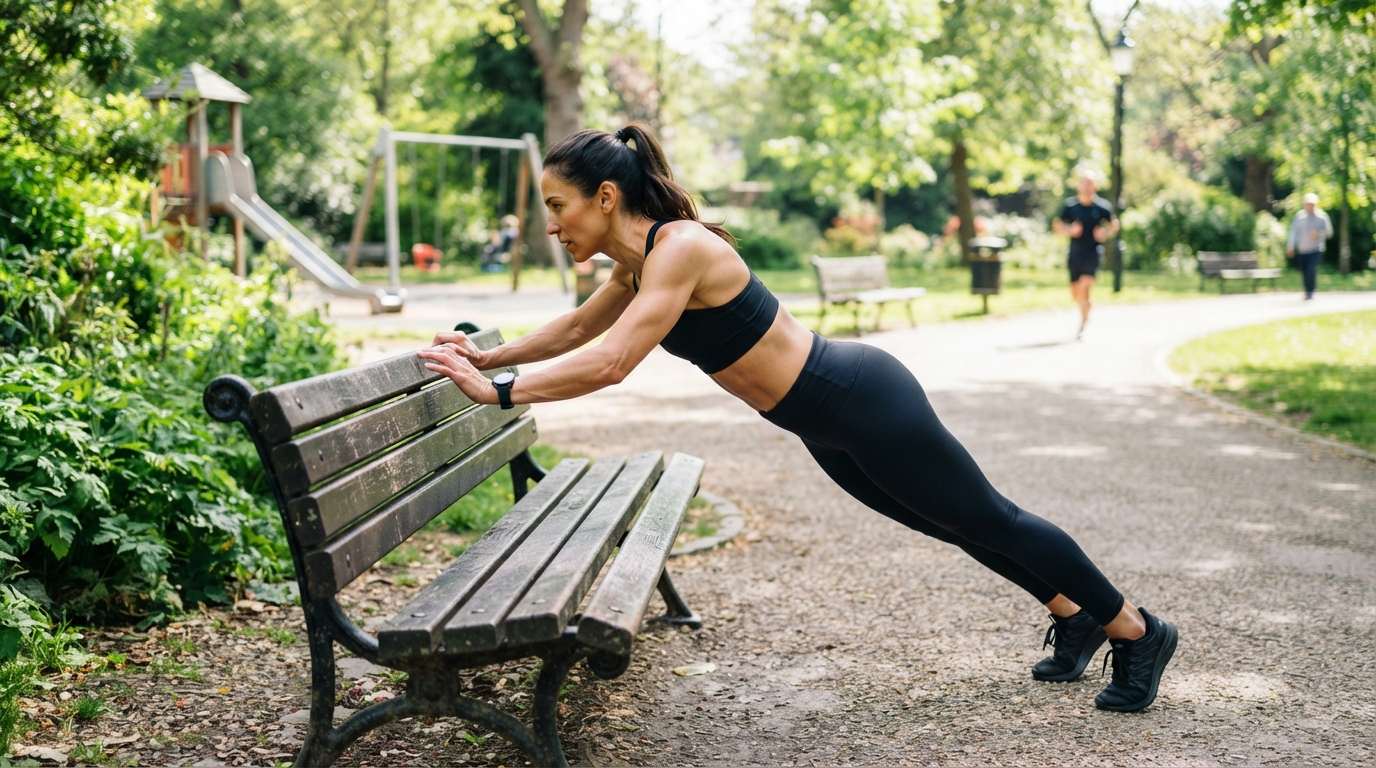
Brett encourages using these environments creatively. "For example, a simple bench can turn into a tool for tricep dips, decline push-ups, and even incline push-ups depending on how you position your body. The versatility of street furniture is almost limitless."
Brett's advice highlights the importance of variety in workouts. "Changing scenery can stimulate motivation," he adds. "Plus, it often fosters social interaction, which keeps people committed to their fitness journeys."
Perspective: Dr. Edward Coyle (Professor, Exercise Physiology)
Dr. Edward Coyle approaches this concept from a physiological standpoint. "The fundamental principles of exercise remain the same regardless of location," he states. "What matters is the quality and intensity of the workout. Public spaces offer unique advantages, such as fresh air and natural light, which can enhance workout effectiveness."
Advertisements
Dr. Coyle also emphasizes the physiological benefits of using bodyweight exercises and natural resistance found in outdoor settings. "Your body is your best piece of equipment. Movements like squats, lunges, and push-ups can be just as effective in a park as they are in a gym. Plus, varying levels of incline and difficulty found in nature can provide a functional edge to training."
Despite the merits, Dr. Coyle points out that consistency is key for achieving fitness goals. The challenge lies in developing a routine that incorporates this outdoor approach effectively. "It's one thing to utilize public spaces; it's another to align them with your training objectives over time."
Perspective: Jessica Jones (Registered Dietitian & Fitness Coach)
Jessica Jones takes a nutrition-focused angle on this topic, addressing how outdoor activities can complement dietary practices. "When people step outside to work out, they're likely to be more aware of their overall lifestyle habits, including what they eat, compared to when they're in a confined space. Being outdoor-oriented can foster a more holistic approach to health."
Jessica also highlights the social aspect. "Public spaces often involve groups of people. Working out with others not only encourages accountability but can also lead to healthier eating choices due to the community aspect."
When it comes to nutrition, she advises looking for local food options when working out in parks and public spaces — like fresh fruit stands or health-conscious cafes. "It's essential to view exercise and nutrition as interdependent. If you're engaging in physical activity outdoors, ensure that your food choices complement your efforts."
Editorial Synthesis
Where Experts Agree
- Public spaces can effectively replace traditional gym environments.
- Bodyweight exercises are highly effective when performed with proper intensity.
- Outdoor workouts can enhance mental well-being.
- Social interaction in public spaces can encourage sustained fitness commitments.
Where Experts Disagree
- Consistency and routine development can be challenging when utilizing outdoor resources (Coyle).
- Whether outdoor settings genuinely support habitual change in dietary practices and lifestyle (Jones).
- The extent to which the social environment impacts motivation varies (Klika).
Why This Matters
The increasing popularity of outdoor workouts serves as a reminder that fitness doesn't always have to come with a monthly fee. The park bench, a secure fixture in any community, offers more than aesthetic value — it can serve as a makeshift gym that adapts to the needs of the user.
Training in public settings can not only diversify workouts but can also support larger health and wellness goals. As Brett Klika emphasizes, the versatility of outdoor environments can keep exercise routines lively and engaging. In addition, Dr. Edward Coyle and Jessica Jones highlight the physiological and nutritional benefits, making it clear that outdoor workouts can be as effective as indoor ones when approached correctly.