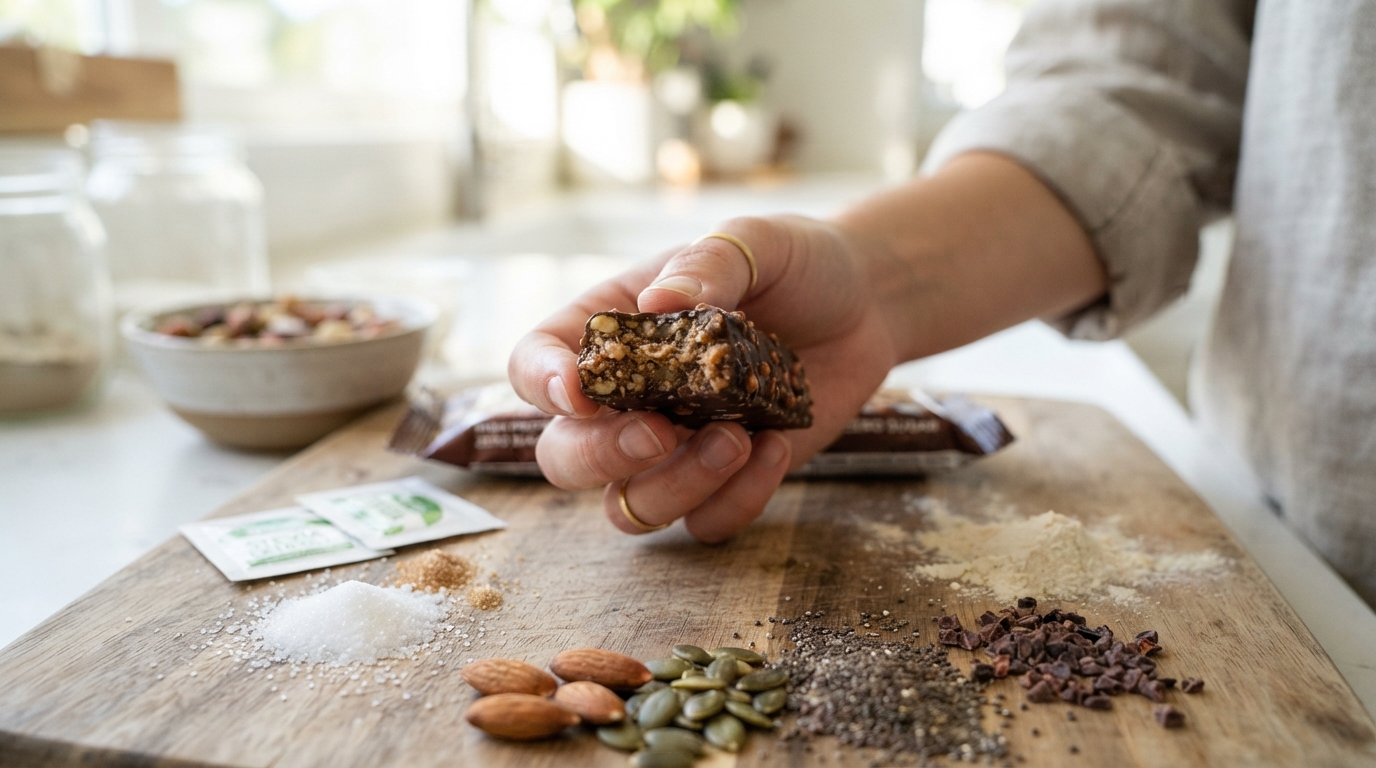
Is your protein bar really a health food?
If you grab a protein bar as a quick snack, you might believe you're making a healthy choice. But what exactly is in that bar? The increasingly popular use of sugar alcohols and sweeteners raises questions about their safety and effect on our gut health. Experts like Dr. Mark Hyman, Dr. Alan Aragon, and Amy Shapiro weigh in on what's really in these products and how our bodies react to them.
Why This Matters Now
With the growth of the health food market, more people are turning to protein bars and sugar-altered snacks as quick, convenient options. A recent report indicates that the global protein bar market is expected to reach $8 billion by 2026. Understanding the ingredients in these snacks is critical, not just for weight management but also for overall health. The choices you make may affect your digestive system and long-term wellness.
Perspectives on Sugar Alcohols and Sweeteners
Perspective: Dr. Mark Hyman
Dr. Mark Hyman emphasizes a holistic view, pointing out that while sugar alcohols can reduce caloric intake, they come with a caveat. "Just because something is lower in calories doesn't mean it's better for you. Sugar alcohols like sorbitol and xylitol can lead to gastrointestinal discomfort for many people. If you're consuming protein bars with these ingredients on a regular basis, you might find yourself facing bloating, gas, or even diarrhea. It's important to listen to your body."
He also critiques artificial sweeteners, suggesting that they can lead to insulin resistance and cravings for more sugar. "Your body craves the real thing. When you consume something sweet, your brain expects sugar. When it doesn't receive it in a form it can utilize, it continues to crave it."
Advertisements
Perspective: Dr. Alan Aragon
Dr. Alan Aragon brings a more data-driven perspective. "Not all sugar alcohols have the same impact on gut health. For example, erythritol is usually better tolerated than sorbitol. Research has shown that erythritol has minimal effect on blood glucose and insulin levels, making it a safer choice for those watching their sugar intake."
He highlights the importance of reading labels and understanding the carbohydrate content of protein bars: "If you see 'net carbs' on a label, know that the calculation often subtracts fiber and sugar alcohols. It's crucial to understand what you're consuming, not just what's being marketed."
Perspective: Amy Shapiro
Registered Dietitian Nutritionist Amy Shapiro is cautious about the use of sweeteners and sugar alcohols as well. "While they can be a convenience, they do not offer any nutritional value. We should focus on whole foods as sources of nutrition and limit processed snacks that often use these ingredients to mask poor taste. Some sweeteners can disrupt gut bacteria, leading to a compromised gut microbiome."
Shapiro supports the idea of moderation. "If consumers choose protein bars occasionally, that's one thing. But making them a staple can lead to other health issues down the road. Consider homemade options that use natural ingredients if you're looking for a protein boost without the complications of sugar alcohols."
Editorial Synthesis
Where Experts Agree
- Sugar alcohols are often poorly tolerated and can lead to gastrointestinal issues.
- Not all sweeteners are created equal—some have better metabolic profiles than others.
- Whole foods are preferred over processed snacks for long-term health.
Where Experts Disagree
- Variations exist in opinions on specific sugar alcohols, such as erythritol vs. sorbitol.
- The overall health impact of artificial sweeteners remains a debated topic, with some experts advocating for their restriction more than others.
Why This Matters
Reading ingredient labels on protein bars and snacks should be the norm—not the exception. As the market for health foods continues to grow, it's vital to stay informed about what we're consuming. While sugar alcohols can offer a lower-calorie alternative to sugars, they may not be a healthy choice for everyone, especially if they lead to digestive complications. Likewise, relying on artificial sweeteners could have unintended consequences on our cravings and metabolic health.