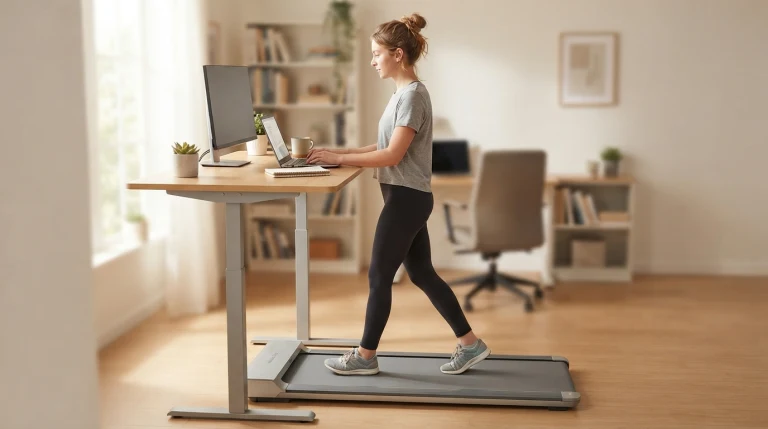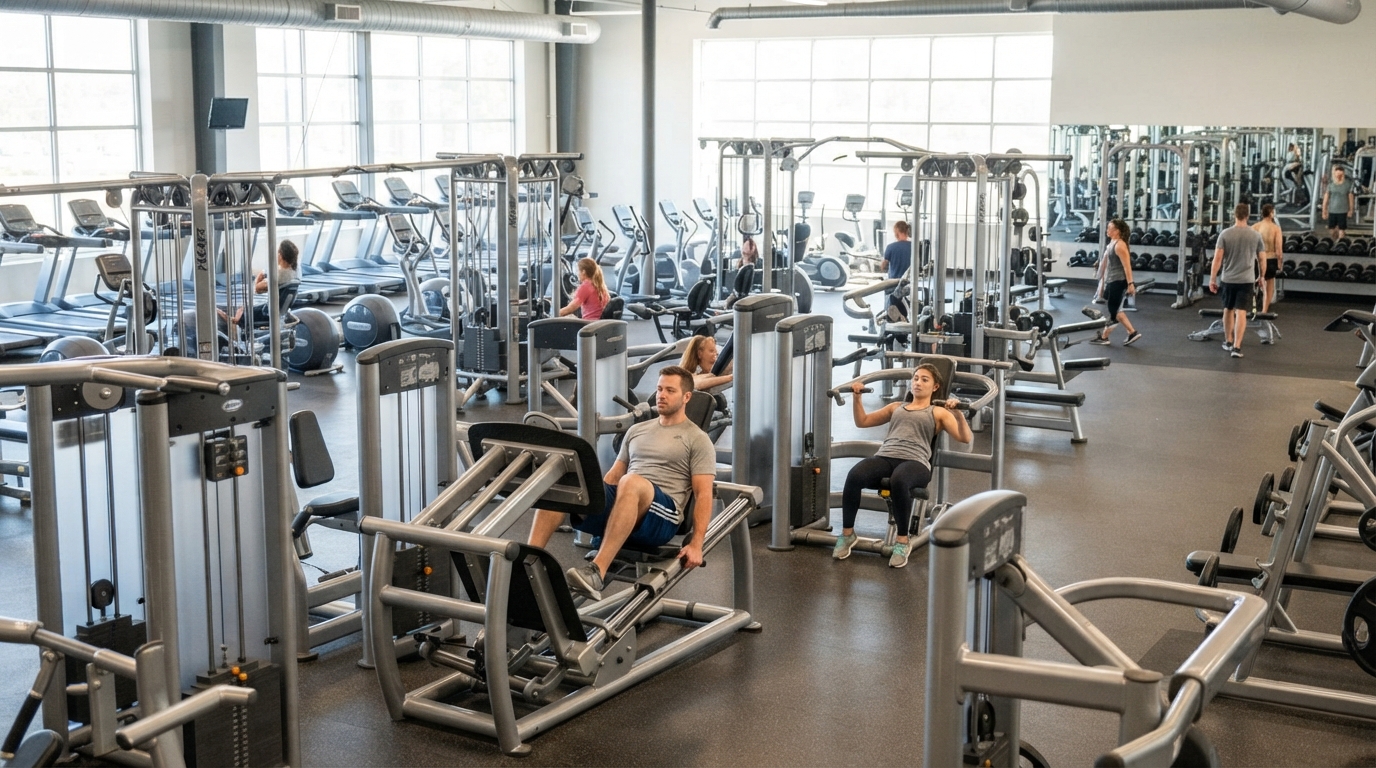
How essential is gym equipment in achieving fitness goals? If you've ever walked into a gym with rows of shiny machines, you might think more equipment translates to better results. However, this belief may be misguided. As health and fitness trends evolve, it's worth examining whether more machines actually lead to stronger, healthier gym-goers or just a higher risk of injury.
Context
With the rise of diverse fitness regimens and research-backed training methods, the notion that heavy machine usage leads to optimal outcomes is being challenged. The current landscape of fitness often emphasizes functionality, mobility, and adherence, particularly as the population becomes increasingly aware of issues related to injury and chronic pain that stem from improper training. Understanding the impact of equipment usage on physical health is now more relevant than ever.
Perspective: Dr. Stuart McGill (Professor of Spine Biomechanics)
Dr. Stuart McGill argues that heavy reliance on machines can compromise essential movement patterns. "Machines often restrict natural motion," he says, pointing out that this can lead to muscular imbalances and overuse injuries. He emphasizes the importance of functional movements that engage the core and promote proper spinal mechanics.
According to Dr. McGill, exercises like squats, deadlifts, and overhead presses, when performed with correct form, not only strengthen the targeted muscles but also enhance overall muscular coordination. This coordination is vital for both performance and injury prevention.
Advertisements
Perspective: Kelly Starrett (Physical Therapist and Movement Coach)
Kelly Starrett adds to the conversation by urging fitness professionals and gym-goers to consider mobility and movement quality. "Machine-dominant workouts often ignore critical range-of-motion requirements that our bodies need for longevity. People become tightly wound and are less proficient movers," he warns.
Starrett emphasizes the role of maintaining functional mobility and how it directly impacts athletic performance and injury risk. He encourages incorporating bodyweight exercises and free weights, which require greater stability and engage more muscle groups, thus making training sessions more effective and sustainable.
Perspective: Dr. Brad Schoenfeld (Exercise Scientist and Author)
Dr. Brad Schoenfeld acknowledges the role of machines in a well-rounded training program but cautions against overreliance. He notes that while machines can be beneficial for targeting specific muscles, they often don't replicate real-world movements. "Muscle growth occurs through progressive overload, which can be achieved through free weights as effectively as through machines. However, free weights also encourage stabilization and functional muscle engagement," he explains.
Dr. Schoenfeld suggests that a diverse training regimen that includes both machines and free weights may optimize results—but the latter should dominate the training landscape, particularly for those looking to enhance strength and functionality.
Editorial Synthesis
Where Experts Agree
- Functional Movement is Key: All experts agree that prioritizing functional exercises over machine-dominant routines helps improve overall strength and reduce injury risks.
- Equipment Should Enhance, Not Limit: The goal of training should be to use equipment that enhances natural movement, not restrict it.
- Adaptation and Progression are Crucial: Progressive overload is essential for muscle growth, achievable through various training methodologies, including free weights and bodyweight exercises.
Where Experts Disagree
- Role of Machines: While Dr. Schoenfeld sees potential benefits in using machines for specific muscle targeting, Dr. McGill and Starrett caution against overuse that could lead to overreliance and diminished functional capacity.
- Training Balance: Dr. Schoenfeld advocates for a balanced combination of equipment types, while McGill and Starrett argue for a stronger focus on functional, free-weight exercises.
Why This Matters
The implications of these expert viewpoints extend beyond personal fitness; they touch on the broader landscape of public health. With an increasing number of individuals experiencing injuries related to poorly structured training routines, understanding the risks associated with equipment-dominance is essential.