Are you aging faster than you should?
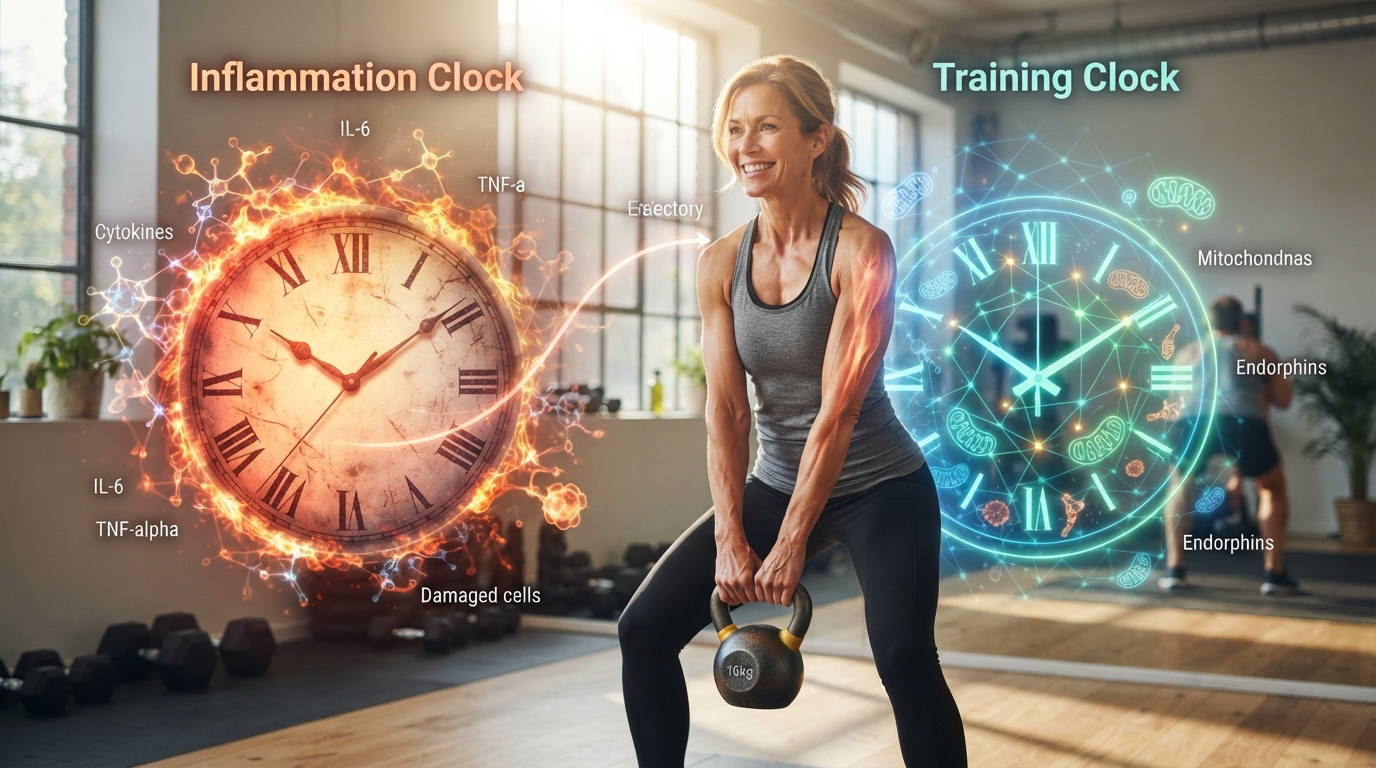
Chronic low-grade inflammation is a silent epidemic. It's not just a health issue; it's a ticking clock that can accelerate the aging process. As we dig deeper into the science behind inflammation, we can see how it affects not only longevity but also daily life. So, how can we combat this threat? Let's turn to the experts for their perspectives.
Context
Chronic low-grade inflammation contributes to various health problems, such as heart disease, diabetes, and cognitive decline. According to a study, this form of inflammation can potentially reduce one's lifespan by several years. With busy lifestyles and stress factors rampant today, the urgency to understand and combat this inflammation becomes ever more critical. The latest research can guide effective training and nutrition strategies to slow this aging clock.
Expert Perspectives
Perspective: Dr. Andrew Huberman
Dr. Andrew Huberman, a neuroscientist at Stanford University, sheds light on the neural mechanisms behind inflammation and its impact on aging. He states, "Chronic stress activates pathways that lead to inflammatory responses, which create a cycle that accelerates aging."
Huberman suggests that neurobiological resilience can be cultivated through specific training protocols, such as:
- High-Intensity Interval Training (HIIT): Engaging in brief, intense exercise coupled with recovery can boost brain-derived neurotrophic factor (BDNF), which helps combat inflammation.
- Mindful Breathing: Techniques such as deep breathing exercises reduce stress and can directly lower inflammatory markers.
He emphasizes the importance of a structured routine, integrating both physical training and mental resilience practices to minimize chronic inflammation.
Perspective: Dr. Rhonda Patrick
Dr. Rhonda Patrick, founder of FoundMyFitness, takes a more nutrition-centric approach. "Diet plays an indispensable role in modulating inflammation," she argues. Her recommendations include:
- Eating Anti-Inflammatory Foods: Incorporate foods rich in omega-3 fatty acids (like salmon or flaxseeds), antioxidants (such as berries), and polyphenols (found in green tea) to help mitigate inflammatory responses.
- Intermittent Fasting: This eating pattern has been shown to reduce markers of inflammation and promote cellular repair mechanisms.
Dr. Patrick believes that combining nutritional strategies with exercise can create a holistic approach to tackling inflammation and enhancing longevity.
Perspective: Dr. Mark Hyman
Dr. Mark Hyman, founder of The UltraWellness Center, brings a more integrative approach to the discussion. He emphasizes "the importance of addressing lifestyle factors, including diet and physical activity."
His insights include:
- Movement: Daily physical activity tailored to one's own capacity is essential. Walking, resistance training, and yoga can each play a role in reducing inflammatory markers.
- Balanced Nutrition: Hyman highlights the importance of a nutrient-dense diet while avoiding processed foods known to trigger inflammation. He suggests focusing on whole foods like vegetables, healthy fats, and lean proteins.
Hyman stresses the idea that lifestyle changes are not just optional but foundational for reversing the tide of chronic inflammation.
Editorial Synthesis
Where Experts Agree
- Exercise is paramount for managing chronic inflammation.
- Nutrition significantly influences inflammatory responses.
- Lifestyle interventions can slow down the effects of aging.
Where Experts Disagree
- The emphasis on nutrition vs. exercise varies; some prioritize dietary changes, while others highlight the importance of physical activity.
- The methods for achieving resilience and reducing inflammation, such as mindfulness techniques, vary in their applicability and effectiveness among individuals.
Why This Matters
Addressing chronic low-grade inflammation requires a multi-faceted approach involving both training and nutrition. With the convergence of expert opinions, it's clear that a proactive stance can keep the inflammation clock at bay. Key strategies involve integrating high-intensity exercise with mindful breathing, adopting an anti-inflammatory diet, and keeping physical activity a priority.
In essence, now is the time to take action. By doing so, not only can we slow the aging process, but we can also enhance our quality of life.