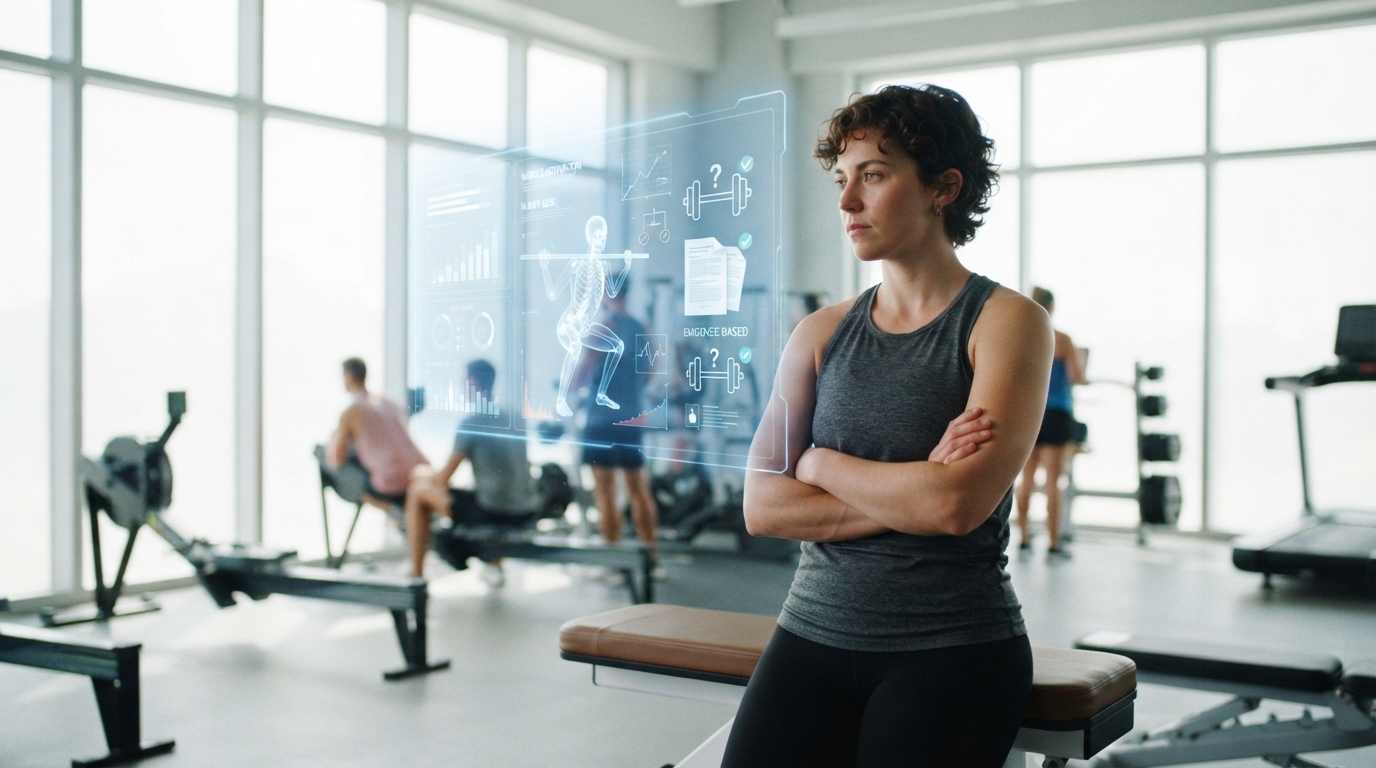
Are all the sacred cows in your gym worth the hype?
When it comes to exercise, certain movements seem to hold a sacred place in the hearts of fitness enthusiasts and trainers alike. Whether it's the barbell squat or the bench press, many gym-goers approach these exercises with a reverence that often overshadows the evidence-based discussions about their effectiveness. But what if these widely accepted staples are not all they're cracked up to be?
Why This Matters Now
With the rise of personal training, group fitness classes, and a plethora of online workouts, the fitness industry is more saturated with information (and misinformation) than ever. Understanding which exercises truly promote functional strength, prevent injury, and cater to individual needs is essential. This debate is critical in defining smarter training strategies and ensuring that gym-goers aren't just going through the motions but actively benefiting from their routines.
Advertisements
Expert Viewpoints
Perspective: Brett Contreras (CEO, The Glute Lab)
Brett Contreras is known for his candid and research-driven approach to training, particularly focusing on the glutes. "The squat is often hailed as the king of exercises. However, many people have limited hip mobility, which can render squats ineffective or even counterproductive for them. Instead of forcing everyone to squat, we'd be better off emphasizing glute bridges and hip thrusts for enhancing lower body strength. These exercises are particularly beneficial for individuals who need to build strength safely, and they're often more effective for hypertrophy."
Perspective: Heloise Boucher (Physiotherapist)
Heloise Boucher brings a rehabilitation perspective to the discussion. "Certain exercises, like the deadlift, can be overrated, especially when they are performed incorrectly. Many gym-goers have poor form, leading to higher risks of injury, particularly in the lower back. My recommendation is to prioritize movements that encourage proper alignment and control, such as kettlebell swings and lunge variations. These alternatives can provide functional strength while mitigating injury risks."
Perspective: Mike Boyle (Owner, Mike Boyle Strength and Conditioning)
Mike Boyle emphasizes a more practical view grounded in athletic training. "The bench press is often considered a benchmark for upper body strength; however, it doesn't translate effectively to real-world athletic performance. Functional movements like push-ups or dumbbell presses with an emphasis on stability should take precedence. These variations promote better muscular engagement and core activation, aligning fitness goals with functional strength that people use in everyday life."
Editorial Synthesis
Where Experts Agree
- Individual Variability: All three experts highlight that not every exercise is suitable for every individual. Understanding personal biomechanics and requirements is crucial.
- Functional Training Over Tradition: There's a consensus that functional training methods that mimic real-life movements are more beneficial than traditional exercises.
- Injury Prevention: The experts stress that many commonly revered exercises come with risks if performed improperly, advocating for safer alternatives.
Where Experts Disagree
- Value of Traditional Exercises: Contreras supports some traditional lifts but proposes alternatives, while Boyle suggests moving away from them altogether.
- Best Practices for Training: Each expert has distinct views on what constitutes the best practices for strength training, demonstrating the nuance in the field.
Why This Matters
In a landscape saturated with conflicting advice and entrenched traditions, it's imperative to reassess the exercises we hold dear. The era of blindly worshipping a handful of "essential" lifts is giving way to a more personalized approach to fitness, one that weighs individual mobility, injury history, and real-world goals above gym folklore. No single movement deserves unconditional reverence, and no single movement deserves outright dismissal either — the real work lies in matching the exercise to the person, not the person to the exercise.