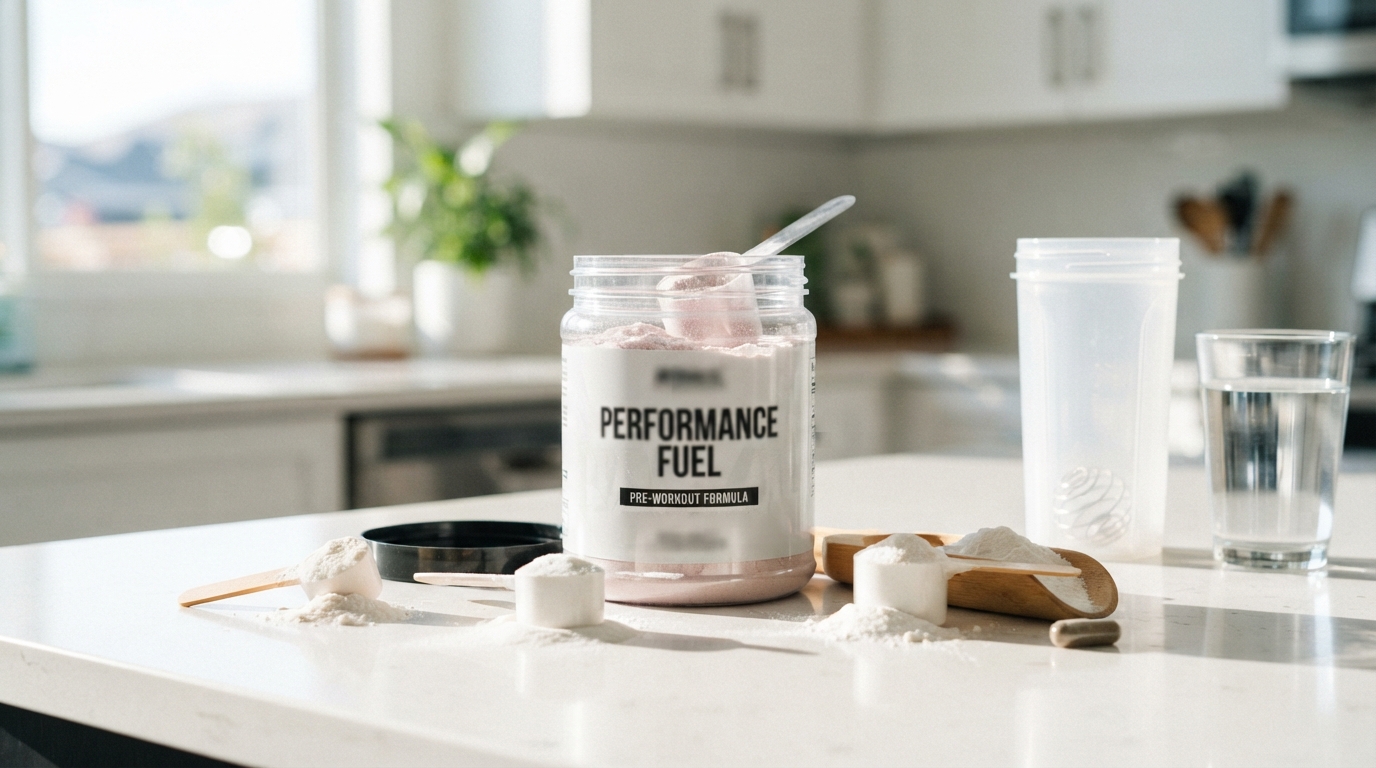
Are you wondering whether your pre-workout supplement is actually worth it? With countless tubs lining store shelves, filled with vibrant labels promising energy boosts and better performance, it can be tough to sift through the noise. What's the science behind these ingredients, and how many are actually backed by research?
Why This Matters Now
In the age of accessible fitness information, more people are turning to pre-workout supplements for that extra push in the gym. The global pre-workout supplement market is projected to reach $13.98 billion by 2028, highlighting their rising popularity among both casual gym-goers and serious athletes. However, the effectiveness and safety of many of these substances remain hotly debated. Understanding which ingredients are evidence-based can help consumers make informed choices, improving not only their performance but also their health.
Perspective: Dr. John Ivy (Professor of Kinesiology)
Dr. John Ivy emphasizes the critical role of evidence-based ingredients in pre-workout formulations. He suggests that the primary components of an effective pre-workout should include:
- Caffeine: Known for its ability to enhance performance by increasing focus and endurance.
- Creatine: While traditionally associated with muscle mass gain, Ivy highlights that it can significantly improve short bursts of high-intensity exercise.
- Beta-Alanine: With studies showing its efficacy in delaying fatigue during prolonged workouts, this ingredient has a solid foundation in research.
Ivy cautions, though, that evidence for an ingredient in isolation doesn't always translate directly to a proprietary blend on a store shelf, where dosages are often too small or too poorly disclosed to match what the research actually supports. He believes consumers should look past flashy labels and check for ingredients listed with specific, transparent dosages rather than hidden behind vague "proprietary formula" branding.
Advertisements
Perspective: Dr. Abbie Smith-Ryan (Exercise Physiologist)
Dr. Abbie Smith-Ryan takes a more skeptical look at some of the trendier additions found in modern pre-workout blends. "A lot of what you see on these labels—nootropic blends, exotic plant extracts, trace vitamins—are there because they sound impressive, not because the dosing in the product has any meaningful effect," she explains. "Citrulline malate is one of the few 'extra' ingredients I'd actually call evidence-backed, since it has real data behind it for blood flow and reducing fatigue, but you need a proper dose, and most tubs skimp on it to save costs."
Smith-Ryan warns that stacking too many under-dosed ingredients can create a false sense of comprehensiveness. "Consumers see a long ingredient list and assume more is better. In reality, three or four well-dosed, well-researched ingredients will outperform fifteen sprinkled in at doses too small to do anything."
Perspective: Marcus Delgado (Sports Nutrition Consultant)
Marcus Delgado, who consults for several supplement manufacturers, offers a more industry-facing perspective. "There's real commercial pressure to make a label look more exciting than the competitor's," he admits. "Ingredients like L-theanine paired with caffeine have decent support for smoothing out jitters, and that combination is legitimate. But things like certain adaptogens or 'focus blends' are often there because surveys show consumers respond to the word on the label, not because there's compelling research behind the amount included."
Delgado encourages consumers to research the clinically effective dose of any ingredient they care about and check it against the label—something he admits most people never do.
Editorial Synthesis
Where Experts Agree
- Caffeine, creatine, and beta-alanine have the strongest and most consistent research support among pre-workout ingredients.
- Dosage transparency matters more than the length of an ingredient list.
- Many popular additions are included for marketing appeal rather than proven performance benefits at the doses typically used.
Where Experts Disagree
- Ivy focuses on core performance ingredients, while Smith-Ryan and Delgado spend more time scrutinizing the "extras" that pad modern formulas.
- Smith-Ryan is more willing to credit citrulline malate as evidence-based, while Delgado is more cautious about any ingredient outside the core three unless dosing is explicitly verified.
Why This Matters
With a market this large and growing, consumers deserve to know whether they're paying for research-backed performance or just well-marketed label space. Understanding which ingredients have genuine evidence behind them—and at what doses—can help gym-goers avoid wasting money on blends that look impressive but underdeliver.