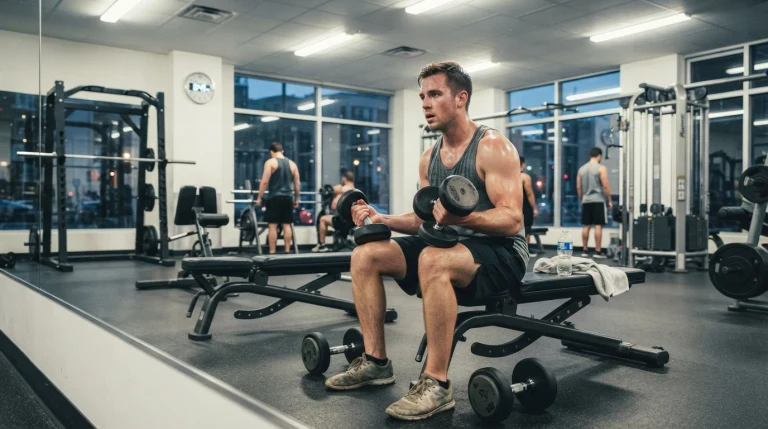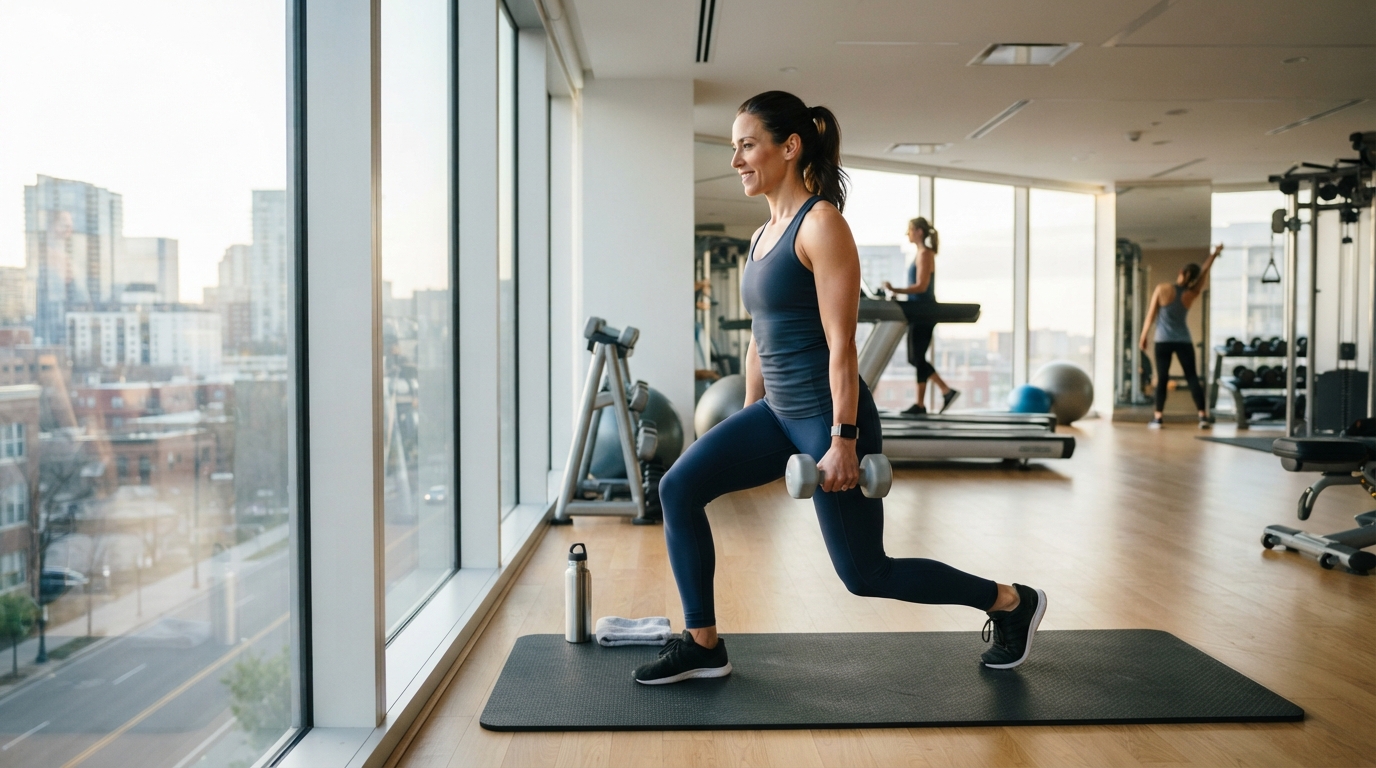
When you're traveling for work or leisure, how do you maintain your fitness routine? Is it even worthwhile to invest time and energy into training when hotel gyms are often cramped, airports are full of distractions, and rental cars feel more like mobile offices than vehicles for adventure?
Context
In an age where remote work and travel have become routine, managing your fitness can easily fall by the wayside. A lack of consistent training opportunities can sabotage progress, especially for those who have made it a priority in their lives. With over 90% of people reporting a disruption to their fitness routine while traveling, understanding how to adapt workouts to different environments is more important than ever.
Perspective: Tony Gentilcore
Tony Gentilcore emphasizes simplicity. He suggests that embracing the tools you have—whether it's free weights at a hotel gym or bodyweight exercises in your room—can make a significant difference. "Focus on what you can control," Gentilcore advises.
For example, if a hotel gym is subpar, you can turn your room into a workout space. Bodyweight movements like push-ups, squats, and lunges will provide a challenging workout that doesn't require any equipment. Instead of worrying about missing the gym, make it a point to schedule a short session, even just 15-20 minutes, into your daily travel plan. Gentilcore also points out that a little goes a long way; consistency trumps intensity when you're on the road.
Advertisements
Perspective: Dr. John Berardi
Dr. John Berardi brings a nutritional angle to the discussion. Besides workouts, he stresses that maintaining good eating habits while traveling is crucial. "Fitness isn't just about exercise; nutrition plays a massive role," Dr. Berardi points out.
He recommends taking a proactive approach to meals. Look for healthy options at airports or stock up on nutritious snacks like nuts, protein bars, or fruits. Dr. Berardi also advocates for planning ahead—try to research restaurants in advance that offer healthy meals and look for hotel chains that provide access to meal prep options in-room. This way, you not only feel better during your travels but set yourself up for success once you return home.
Perspective: Jessie Mundell
Strength coach Jessie Mundell emphasizes the mental aspect of fitness while traveling. "It's easy to feel guilty for not training as hard as you do at home," she states. Mundell believes reframing your mindset around travel can be beneficial. "Instead of thinking you're 'missing out', consider this time an opportunity to explore different types of workouts."
Mundell suggests utilizing your environment creatively. If you're in a city with stairs, for instance, use them for cardio workouts. Likewise, parks can be significantly beneficial for open-air workouts. The key, she highlights, is to find movement in any setting, whether during layovers or downtime at your hotel, rather than hold yourself to rigid standards.
Editorial Synthesis
Where Experts Agree
- Adaptability is key: Whether it's using bodyweight exercises or adjusting your routine to fit your environment, flexibility in your training plans is crucial.
- Nutrition matters: Eating healthy while on the road is a common theme. Preparation and research can mitigate dietary disruptions while traveling.
- Mindset is everything: Recognizing travel as a chance to experiment with new routines can make the experience enjoyable rather than stressful.
Where Experts Disagree
- Focus on workouts: Gentilcore places a heavier emphasis on consistent, albeit shorter, workouts, while Mundell champions exploring movement. This creates a different benchmark for what 'success' looks like while traveling.
- Meal prep vs. eating out: Dr. Berardi stresses planning meals ahead of time, while Gentilcore suggests more flexible meal choices can also suffice as long as they stay within your dietary goals.