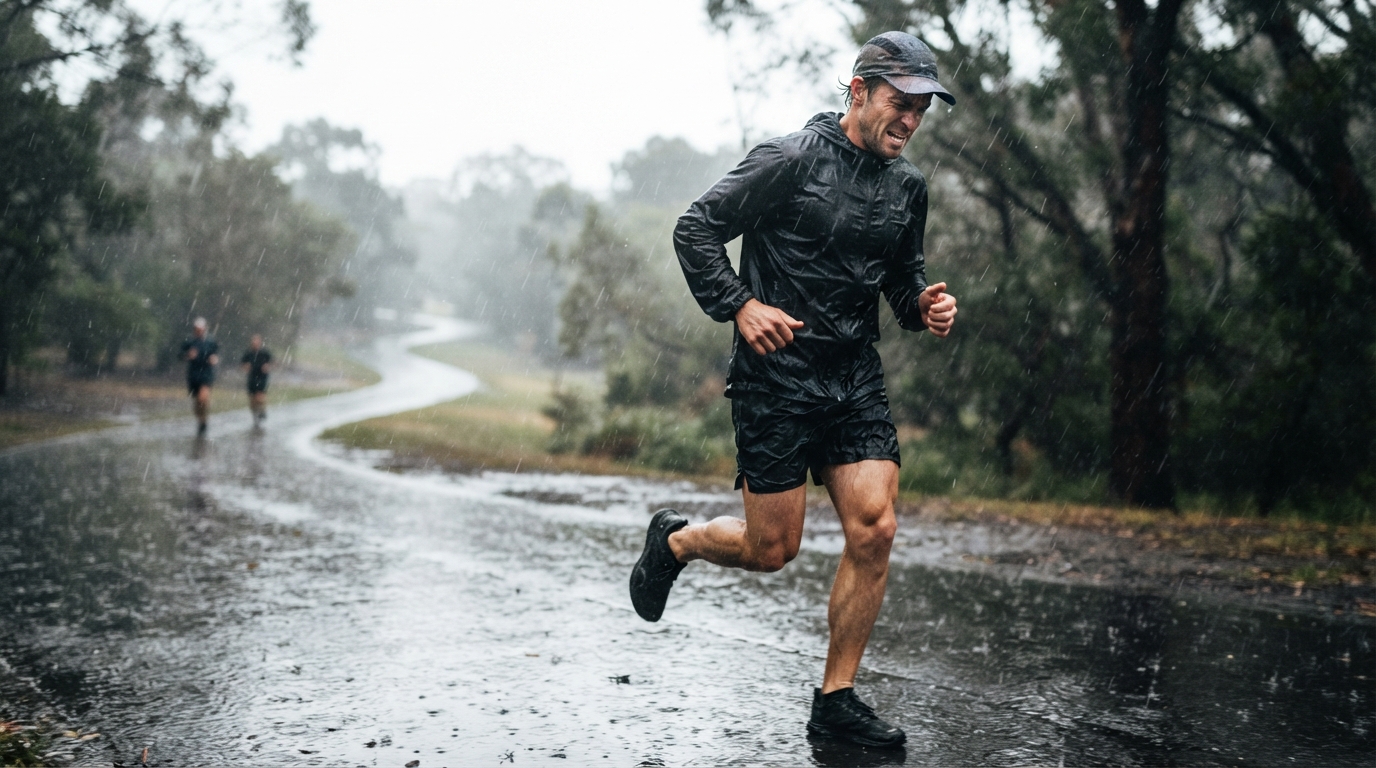
How often do you find yourself struggling to maintain performance during extreme temperatures or unexpected rain? It's not just about your workout routine; the weather plays a pivotal role in your ability to train effectively. Given the range of environmental conditions we face, understanding how heat, humidity, cold, and rain can impact your output is essential for both athletes and fitness enthusiasts.
Context: Why This Matters Now
As outdoor training becomes more popular, athletes and recreational fitness fans must recognize that the weather can significantly influence performance. Whether it's a marathon in the summer heat or a lifting session in a chilly garage, your output might be affected more by Mother Nature than your meticulously planned programming. This requires that we adapt not just our workouts, but also our nutritional strategies and mental approaches to these environmental challenges.
Understanding the Conditions
Knowing the temperature and humidity before a training session is just as crucial as knowing your sets, reps, and training periodization. Research shows that performance can decline as much as 30% in adverse conditions. As Dr. Mark McClusky points out, many athletes fail to adjust their expectations or strategies based on the weather, leading to subpar performance and increased risk of injury.
Expert Perspectives
Perspective: Heat and Humidity
Dr. James Smoliga elaborates on the physiological impact of heat and humidity, stating, "High temperatures and humidity levels can lead to excessive sweating, which results in dehydration. This not only decreases performance but can also impair cognitive functions crucial for executing complex movements."
Conversely, Dr. John Berardi emphasizes the nutritional aspect. He notes, "Staying hydrated is not simply about drinking water; the right balance of electrolytes can be critical in hot and humid conditions. Athletes should consider electrolyte-replenishing drinks that suit their individual needs."
Advertisements
Perspective: Cold and Rain
When temperatures drop, the body's demands shift significantly. Dr. Smoliga explains, "In cold temperatures, the body expends more energy to maintain core temperature, which can lead to quicker fatigue. That means adjustments in intensity and duration are necessary if you're training in the cold."
Dr. Berardi adds, "Nutrition can also take a hit in cooler weather. Often, people don't feel as hungry when it's cold, which can lead to lower energy intake. This might not seem crucial but can affect overall performance, especially during endurance events."
Dr. McClusky highlights the impacts of rain: "Slippery surfaces and lower visibility can lead to injuries or accidents, which means mindfulness during training is key. Adjusting your route or switching to indoor workouts can be prudent decisions in adverse weather."
Editorial Synthesis
Where Experts Agree
- Environmental conditions significantly affect performance.
- Hydration is critical; both water and electrolytes matter.
- Adjustments in training intensity and duration should be made based on the weather.
Where Experts Disagree
- The degree to which weather impacts overall training outcomes varies.
- Recommendations for hydration strategies can differ among individuals and situations.
- Some experts believe that minor adjustments (e.g., layering clothes for cold weather) are sufficient, while others call for complete shifts in the training approach.
Why This Matters
The intersection of weather and training isn't merely a concern for elite athletes; it's relevant for anyone who trains outdoors. As seasons change and climate conditions shift, the need for real-time adjustments to both workout plans and nutrition becomes imperative. Training schedules that don't factor in the weather can lead to wasted efforts, increased risks of injury, and ultimately burnout.
To optimize performance regardless of the weather, it's essential to:
- Monitor conditions before heading out for a workout.
- Hydrate adequately and adapt nutrition based on heat, humidity, and cold.
- Modulate training intensity or even consider indoor options when conditions are not favorable.