In the quest for fitness, a common question arises: Should we follow the same training principles as we age, or adapt our methods based on the inevitable changes our bodies undergo? Most people wonder if their routines need an overhaul each decade or if there's a one-size-fits-all approach to exercise and nutrition. Understanding how your biology influences your training strategies is crucial for sustainable fitness throughout life.
Context: Why This Matters Now
With the rising awareness of health and fitness, millions across the age spectrum are embracing physical activity. Yet, many struggle with effectiveness and sustainability, often feeling lost as they transition through different life phases. As research on aging and physiology grows, it challenges us to rethink training approaches tailored to our biological realities. We turned to esteemed experts to clarify how these shifts impact training and nutrition strategies.
Expert Perspectives
Perspective: Dr. Kelly Starrett (Physiotherapist, Author)
Dr. Kelly Starrett emphasizes the importance of mobility and flexibility at every age. He asserts that:
- In your 20s: The focus should be on developing good movement patterns and understanding one's body. This is the time to build strength and mobility without overloading the body.
- In your 30s: Increased emphasis on recovery becomes vital. Starrett advocates for including mobility exercises in daily routines to counteract tighter muscles and less pliable joints.
- In your 40s and beyond: Starrett suggests integrating functional movements that mimic daily activities to prevent injury and maintain performance in everyday life. This age group should also prioritize routines that support joint health and flexibility.
Perspective: Dr. Jen Esquer (Physical Therapist, Author)
Dr. Jen Esquer highlights the role of individualized assessment in optimal training. She points out:
- In your 20s: Experimentation is at its peak. This is the time for trying new training styles, whether it be weightlifting, yoga, or HIIT. It's crucial to listen to one's body to find what works best.
- In your 30s: Body awareness kicks in. She emphasizes incorporating stability and balance training to prevent injuries, especially as workload increases with personal and professional responsibilities.
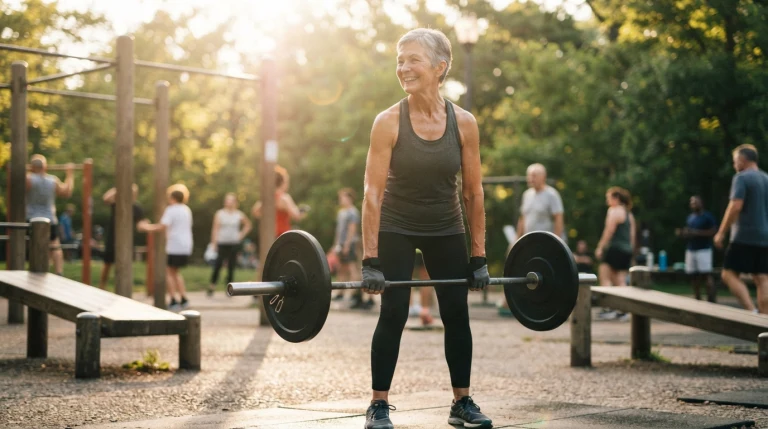
- In your 40s and beyond: There's a natural decline in muscle mass and cardiovascular efficiency, making strength training and aerobic exercises crucial. Esquer advises focusing on compound movements and maintaining a consistent routine to counteract these declines.
Perspective: Dr. Michael Joyner (Researcher, Physiologist)
Dr. Michael Joyner frames the conversation around biological changes that everyone experiences, regardless of lifestyle. He shares insights:
- In your 20s: The body is at its peak in terms of muscle mass and recovery. Utilizing this time to build a strong aerobic base and enhance cardiovascular fitness is key.
- In your 30s: Hormonal changes start becoming evident, leading to a shift in recovery times. Dr. Joyner suggests modifying intensity levels and integrating cross-training to avoid overuse injuries.
- In your 40s and beyond: Joyner advocates for periodic testing of fitness levels to tailor training regimens. He believes that understanding your endurance capabilities can help in maintaining motivation and goal-setting through the years.
Editorial Synthesis
Where Experts Agree
- Importance of recovery: All experts stress that recovery becomes increasingly important as one ages. The younger years can take heavier loads without as much recovery, while older adults need to prioritize rest and rehabilitation.
- Adaptability of training: Regardless of age, flexible training routines that adapt to one's changing body and personal goals are essential.
- Role of functional training: Incorporating movements that reflect daily activities is crucial for maintaining overall health and preventing injury across all ages.
Where Experts Disagree
- Age for experimentation: While Starrett and Esquer advocate for experimentation in one's 20s, Joyner suggests that structured training with specific goals is ideal for this age group.
- Intensity of workouts: There are varying opinions on the appropriateness of high-intensity training in older adults; while some advocate moderation, others emphasize its benefits for maintaining muscle and cardiovascular health.
Why This Matters
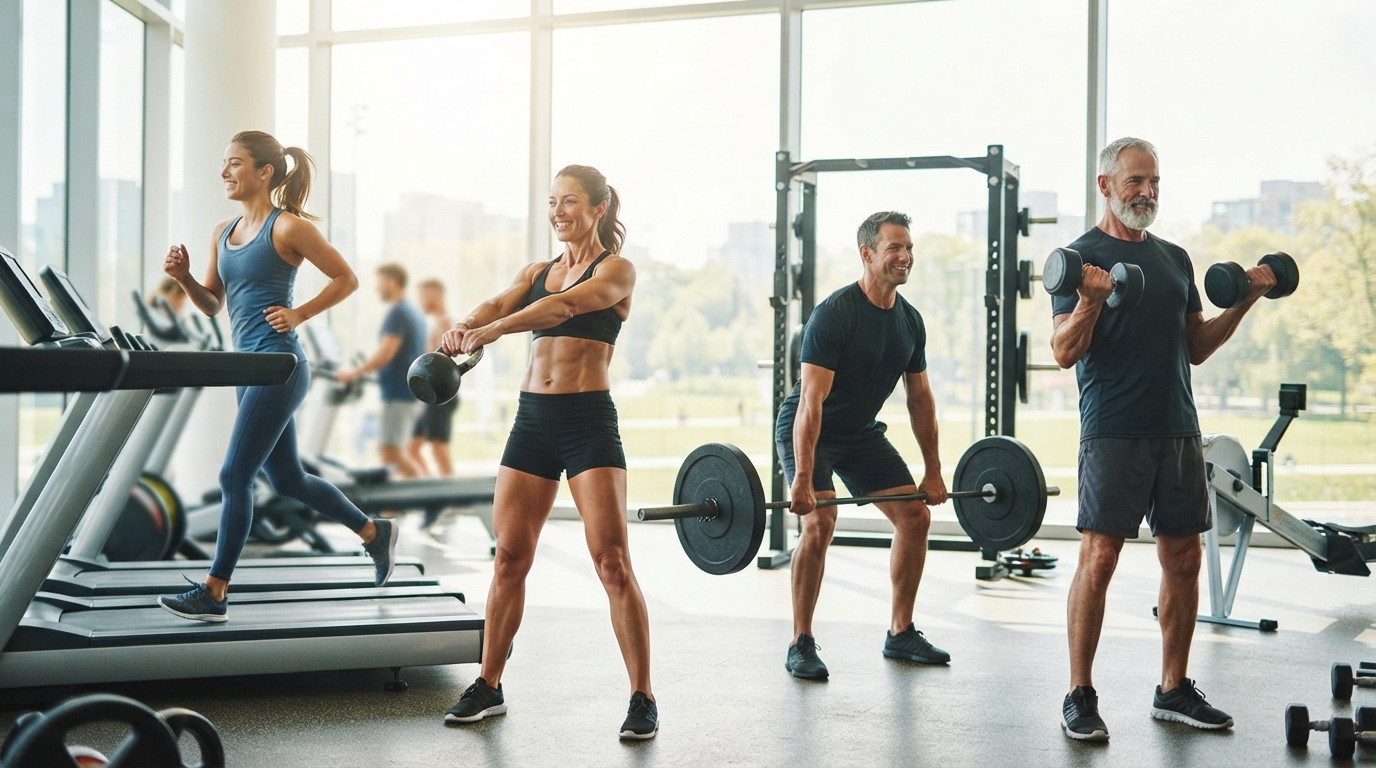
Understanding how training needs to shift with age is pivotal not only for individual success but also for broader health initiatives. Physically active individuals in their 20s, 30s, and beyond are experiencing longer lifespans, and adjusting their training accordingly is critical for maintaining functionality and quality of life. By integrating expert insights into practical routines that recognize biological realities, we can develop fitness regimens that are both effective and sustainable across all ages. As you age, remember:
- Prioritize recovery and listen to your body.
- Tailor your training to meet changing physiological demands.
- Stay flexible and open to modifying your routine as needed.