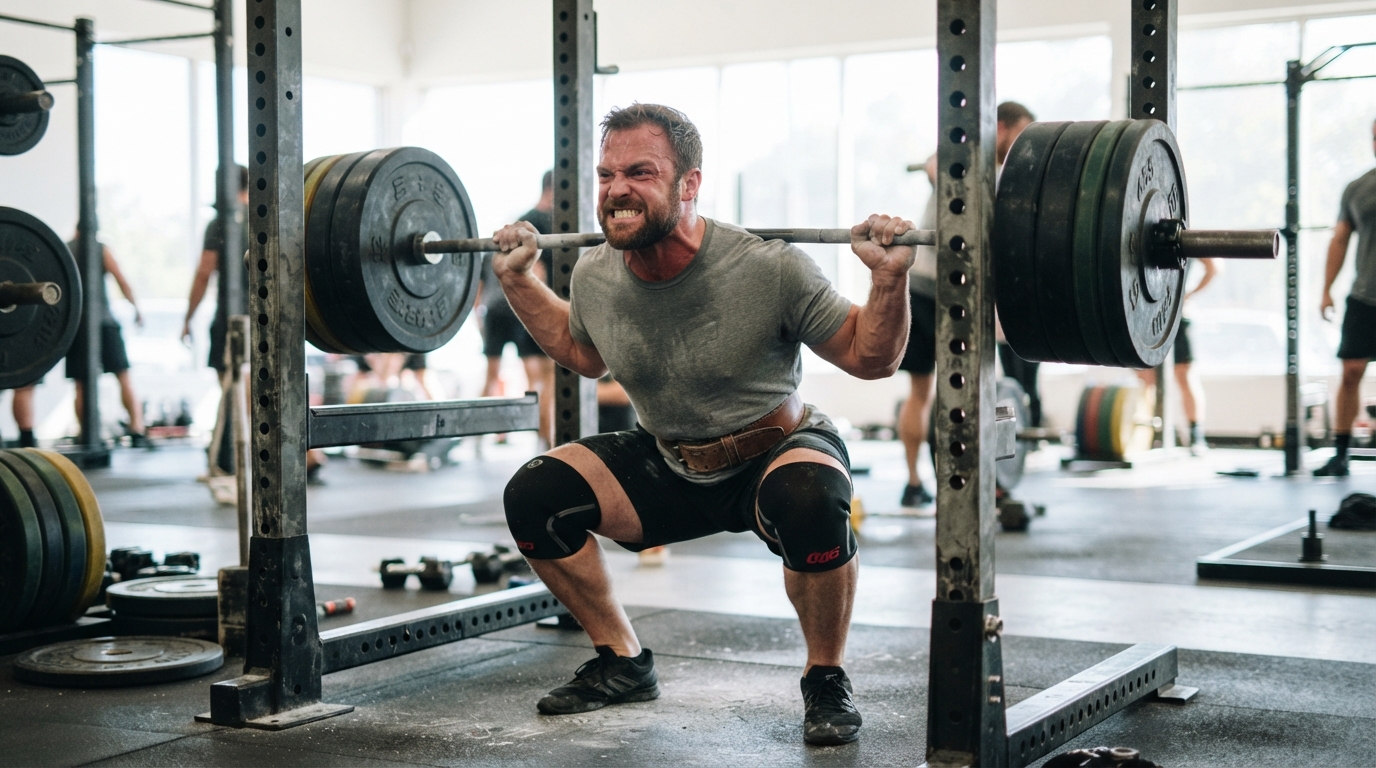
Is lifting heavy for low reps a must for everyone?
When discussing strength training, most people are familiar with the high-rep workouts that flood the fitness landscape. You see the mass-building protocols and endurance workouts everywhere, but there's one significant approach often overlooked: training in the 1-5 rep range. Some may believe this rep range is solely for powerlifters, but it offers benefits for everyone, from bodybuilders to general fitness enthusiasts.
Why This Matters Now
Amid the explosion of fitness trends, there's a growing recognition of the need for foundational strength. Many athletes and trainers are starting to understand that raw power contributes significantly to overall fitness, health, and performance. Recent research has placed a spotlight on the benefits of low-rep strength training, making it pertinent for individuals looking to enhance muscle mass, improve functional strength, or just get fitter overall. In this article, we explore the perspectives of experts in the field to unpack the relevance and application of the 1-5 rep range.
Advertisements
Perspective: Mike Israetel (Co-founder, Renaissance Periodization)
Mike Israetel argues that the 1-5 rep range serves as a powerful tool for driving strength adaptations across various training goals.
- Strength and Power Development: According to Israetel, working in this lower rep range effectively develops maximal strength and neuromuscular coordination. He notes that low-rep training allows for superior muscle fiber recruitment, which translates to improved performance in other rep ranges. This underpins even hypertrophic goals.
- Recovery Efficiency: Israetel emphasizes that, paradoxically, training heavy with low reps can often allow for quicker recovery between sessions, as lower volumes typically reduce overall fatigue.
- Versatility Across Disciplines: While originally designed for powerlifting, this rep range can be beneficial for various athletes, such as those participating in sports that require quick bursts of power, like sprinting or Olympic lifting.
Perspective: Brad Schoenfeld (PhD, Strength Training Researcher)
Brad Schoenfeld provides a critical evaluation by merging sport science with practical application. He highlights both the upsides and potential downsides of implementing low-rep training in a broader context.
- Hypertrophy Considerations: Schoenfeld explains that while low-rep training enhances strength, it's not the only avenue for muscle growth. Longer sets induce metabolic stress, which is also a significant driver of hypertrophy.
- Balance and Inclusion: He argues the need for a balanced approach. Incorporating 1-5 rep training should not completely overshadow moderate rep ranges (6-12 reps) which can yield tremendous benefits in terms of muscle growth due to increased time under tension.
- Personalization Matters: Schoenfeld emphasizes that individual goals and physiology should dictate the rep ranges used in a program. A specialized strength training approach can yield optimal results, tailoring rep ranges specifically to the individual's needs.
Perspective: Greg Nuckols (Co-founder, Stronger By a Mile)
Greg Nuckols advocates for the inclusion of low-rep training as a staple across different fitness pursuits, pointing out several compelling arguments.
- Mechanism of Muscle Adaptation: Nuckols explains how low-rep training facilitates muscle fiber type transformation, turning Type II fibers into more force-generating fibers useful for hypertrophy. This process becomes significant for any athlete looking to maximize athletic performance.
- Mental Toughness and Learning: Training in the 1–5 rep range can also enhance mental fortitude. The challenge of lifting heavy weights concentrates the mind, helping athletes to develop greater discipline and focus.
- Broader Application and Variability: He invites readers to rethink their training philosophies by recognizing that even recreational lifters can draw substantial benefits from this rep range. Nuckols advocates for varied rep zones across workouts, ensuring that each repetition range contributes uniquely to an athlete's development.
Editorial Synthesis
Where Experts Agree
- Training in the 1-5 rep range can drive substantial strength adaptations.
- Low-rep training can complement other rep ranges, contributing to overall muscle development.
- Effective strength training should be tailored to individual goals and capabilities.
Where Experts Disagree
- The emphasis on low-rep training versus moderate-rep training for hypertrophy remains contentious.
- Specific priorities for athletes can differ: some may focus more on strength while others prioritize hypertrophy or endurance, shaping training approaches accordingly.