Are you focusing on those biceps and abs because they're the most visible? If so, you're not alone. Many gym-goers prioritize the muscles they can see in the mirror, neglecting the critical posterior chain—the group of muscles that plays a vital role in movement, posture, and overall athletic performance.
Why This Matters Now
In recent years, awareness of the importance of the posterior chain has increased, thanks in part to research from experts like Dr. Stuart McGill and Brett Contreras. However, despite this growing knowledge, many individuals continue to miss out on the benefits of training these essential muscles. The rise in sedentary lifestyles, coupled with the popularity of short, flashy workouts, has led to a concerning trend: the underdevelopment of the posterior chain.
Expert Perspectives
Perspective: Dr. Stuart McGill (Professor Emeritus of Spine Biomechanics)
Dr. Stuart McGill argues that the posterior chain is crucial for spinal stability and injury prevention.
"Many people think lifting loads is just about the muscles they can see. The reality is that the glutes, hamstrings, and back are fundamental for functional movement. Weakness in these areas can lead to back pain and other injuries."
He highlights that the posterior chain is especially important for athletes.
"An athlete's power is largely derived from the posterior chain. Weakness here not only affects performance but increases injury risk."
Perspective: Chris Beardsley (Strength and Conditioning Researcher)
Chris Beardsley emphasizes the need for a balanced training regimen that includes both anterior (front) and posterior muscles.
"The modern fitness approach often overly emphasizes 'mirror muscles' while ignoring the foundational elements of strength. Engaging the posterior chain leads to better overall function and can improve aesthetics as a secondary benefit."
He suggests that incorporating compound movements can help adequately train the posterior chain while also improving front-side strength.
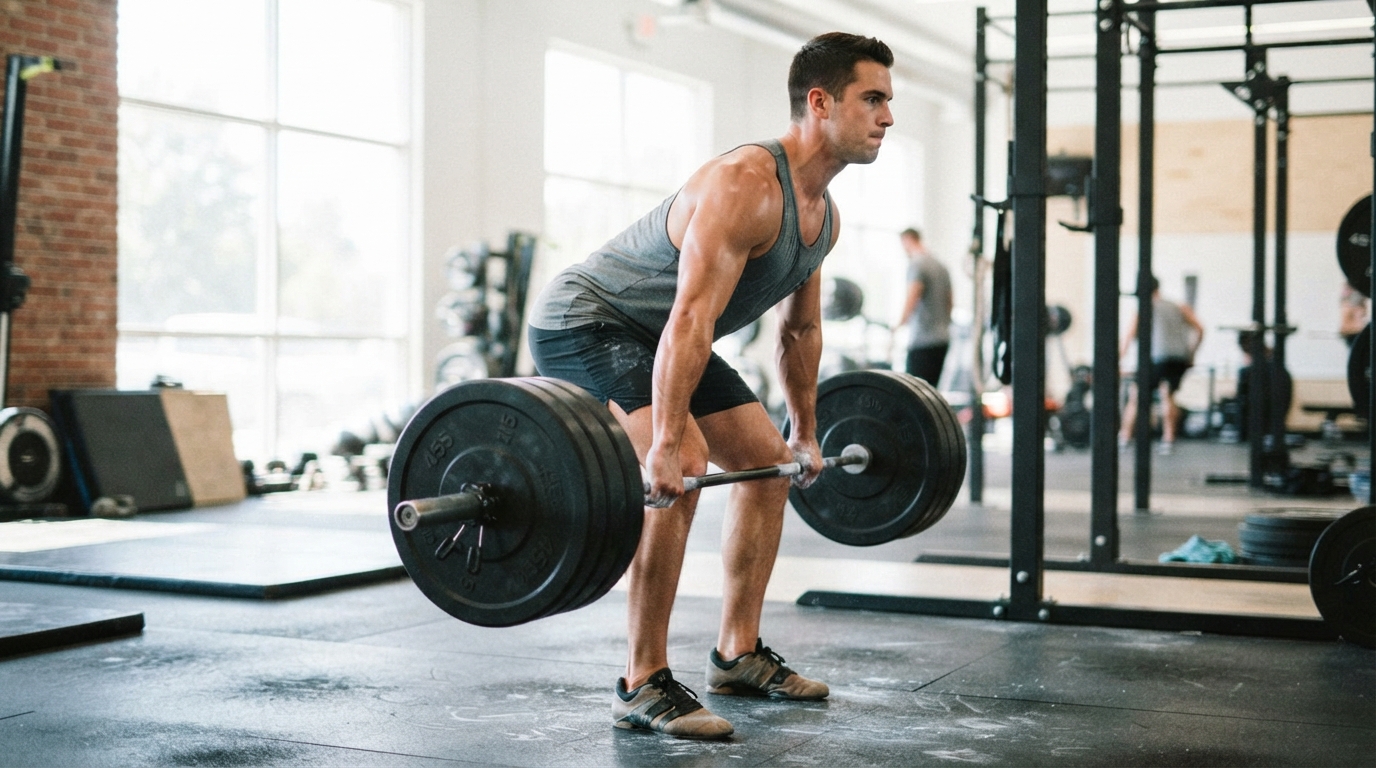
"Deadlifts and squats are quintessential. The glutes and hamstrings play crucial roles in these exercises and can't be overlooked."
Perspective: Brett Contreras (Strength Coach and Researcher)
Brett Contreras presents a more application-focused view, stressing the role of glute strength in everyday life.
"Glutes are often referred to as the 'powerhouse' of the body. A strong posterior chain not only enhances athletic performance but also supports daily activities, reducing the risk of injury."
His work, notably in glute training, has gained traction for a good reason.
"The aesthetics of having a strong backside can motivate clients. Ultimately, though, it's about performance and functionality."
The benefits of training the posterior chain extend beyond the gym walls, impacting daily functionality and well-being.
Editorial Synthesis
Where Experts Agree
- The posterior chain is crucial for overall strength and performance.
- Many individuals prioritize visible muscles over functional ones.
- Training the posterior chain can reduce injury risk and improve posture.
Where Experts Disagree
- The emphasis on aesthetics vs. performance outcomes (Contreras vs. McGill).
- The choice of exercises (e.g., deadlifts vs. other compound movements).
Why This Matters
The focus on visible muscles may provide temporary satisfaction, but ignoring the posterior chain can lead to long-term consequences ranging from poor posture to chronic injury. By incorporating exercises like deadlifts, hip thrusts, and other glute-focused movements into your routine, you address these vulnerabilities and build a more balanced physique.
Considering the valuable insights from experts like Dr. Stuart McGill, Chris Beardsley, and Brett Contreras, it's evident that addressing the posterior chain is not merely optional; it is foundational for functional strength and injury prevention. Ignoring these aspects could mean the difference between optimal performance and chronic issues, particularly as many individuals age.
Prioritize training the muscles that truly move you. The unseen efforts of building a robust posterior chain will ultimately enhance not just your performance in the gym but also your everyday life.